Last updated: August 10, 2026
- If a position helps for 20 minutes but not all night, that still gives useful information about where the support is failing.
- So how sleep with back pain during pregnancy is usually about iteration, not one flawless posture.
- Severe, constant, radiating pain — or pain paired with warning signs — needs prompt professional attention.
- Key Facts – Side-lying with support is the usual first-line sleep setup for pregnancy back pain.
Quick Answer: For how sleep with back pain during pregnancy, most people start with side-lying support, a pillow between the knees, and a pillow under the belly; many notice at least a partial improvement within a few nights, not necessarily a cure. Severe, constant, radiating pain — or pain paired with warning signs — needs prompt professional attention.
Key Facts
– Side-lying with support is the usual first-line sleep setup for pregnancy back pain.
– A pillow between the knees and ankles helps keep the pelvis from twisting.
– A body pillow can support the abdomen and reduce low-back strain.
– Do not self-manage severe, constant, shooting, or symptom-heavy pain without clinical advice.
– Sleep changes may help in days, but persistent or worsening pain needs assessment.
– Warning signs include fever, bleeding, contractions, fluid leakage, weakness, numbness, and bladder/bowel changes.
Night pain in pregnancy can be maddening. And yet, the first move usually is not to “push through” it — change how you lie, prop up the abdomen and pelvis, then ask a qualified clinician about the exact pain pattern. Some pregnancy back pain is common and position-related; some is not. This guide to how sleep with back pain during pregnancy shows the sleeping setup that is generally used, the mistakes that make pain worse, and the warning signs that need prompt professional attention.
Who This Applies To — and Who Should See a Professional Instead
Mild-to-moderate back pain that comes and goes, then flares in bed, after turning over, or after sitting too long? That’s the group this is for. It also fits readers who want practical sleep positioning, pillow placement, and night-time habits that are generally considered low risk in uncomplicated pregnancy.
I would not treat this as a do-it-yourself problem if your pain is severe, constant, shooting down one leg, or paired with numbness, weakness, fever, vaginal bleeding, contractions, fluid leakage, headache with vision changes, burning with urination, or a fall; consult a professional for assessment. Those features can point to issues that need medical attention rather than a new pillow arrangement. See the NHS overview of pregnancy back pain and pelvic pain: https://www.nhs.uk/pregnancy/related-conditions/common-symptoms/back-pain/ and https://www.nhs.uk/pregnancy/related-conditions/common-symptoms/pelvic-pain/
Also, skip self-diagnosis if you have a history of spinal surgery, scoliosis with significant curvature, known disc disease, preeclampsia, placenta problems, multiple gestation, or a pregnancy that your clinician has already labeled high risk. A person in that situation may still sleep more comfortably with modifications, but the plan should come from their obstetric clinician, midwife, physical therapist, or another qualified professional who knows the pregnancy details.
Simple rule. When the pain behaves like mechanical back pain — worse with position, better with support — sleep changes can help. If it behaves like illness, nerve pain, or obstetric pain, get checked. For that reason, how sleep with back pain during pregnancy should always be matched to the pain pattern, not just the bedtime complaint.
The Step-by-Step Process for How to sleep with back pain during pregnancy (Done Correctly)
The safest general goal is to reduce twist through the spine, unload the pelvis, and keep pressure off areas that provoke pain. I would start with this sequence, and the steps below are the usual way to approach how sleep with back pain during pregnancy.
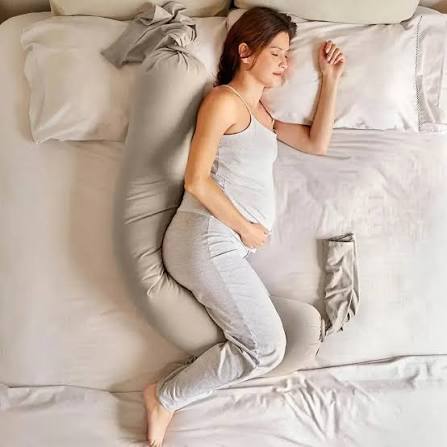
- Set up a side-lying position. Lie on your left or right side, not flat on your back if that position makes you dizzy, short of breath, or more uncomfortable. Put a pillow behind your back if you tend to roll. Verify: your shoulders and hips feel stacked rather than twisted. Problem sign: pain that sharply increases when you settle into the side position.
- Place a pillow between the knees and ankles. Use a pillow thick enough to keep the top knee from dropping forward. A long body pillow often works well because it supports both the knees and the abdomen. Check: your top leg is level with or slightly supported above the bottom leg, and your pelvis feels less pulled. Problem sign: hip pain or groin pulling that worsens because the knees are not truly supported.
- Support the abdomen. If your belly feels like it hangs forward, tuck a small pillow, folded blanket, or pregnancy pillow under the lower part of the abdomen. Observe: the low back feels less arched and the front of the abdomen feels held, not stretched. Problem sign: increased abdominal pressure, nausea, or shortness of breath from overstuffing the bedding.
- Keep the spine neutral. Neutral means the natural curves of the spine are not exaggerated. Avoid curling tightly into a ball or arching hard through the lower back. Confirm: your waist feels lengthened and your lower ribs are not collapsing forward. Problem sign: a pinching pain in one spot of the low back, which often means the position is too flexed or too extended.
- Use a mattress and surface that do not sink unevenly. If the bed is very soft, try a firmer layer, such as a mattress topper with more support or rotating to a less sagging section of the bed. Check: your hips are not dropping lower than your shoulders. Problem sign: waking with pain in the same spot every time because the surface lets your pelvis sink and twist.
- Change position with a log-roll. Bend both knees, keep shoulders and hips moving together, and roll as one unit instead of twisting at the waist. Verify: the turn feels smoother and causes less “catching” in the sacroiliac area — the joints where the spine meets the pelvis. Problem sign: sharp pain during turning, which suggests too much torsion.
- Place support under the upper arm and head. Your upper shoulder should not collapse toward the mattress. Keep the head pillow high enough that the neck stays in line with the rest of the spine. Confirm: your neck does not bend sharply toward the mattress or ceiling. Problem sign: waking with neck pain or tingling in the arm, which can happen when the shoulder girdle is compressed.
- Use heat only if your clinician has said it is appropriate. A warm pack on the low back for a short period can feel soothing for some people, but it should not be hot enough to raise core temperature or cause redness. Check: the skin stays warm, not hot, and the comfort lasts after you remove it. Problem sign: skin irritation, dizziness, or overheating.
Usually, it takes some trial and adjustment; perfection is a trap here. One setup rarely solves everything on the first night. If a position helps for 20 minutes but not all night, that still gives useful information about where the support is failing. Honestly, that is often the fastest way to refine how sleep with back pain during pregnancy so the arrangement fits your body.
Critical Checkpoints: What to Verify Before Moving Forward
Before you decide the pain is “just pregnancy,” check four things.
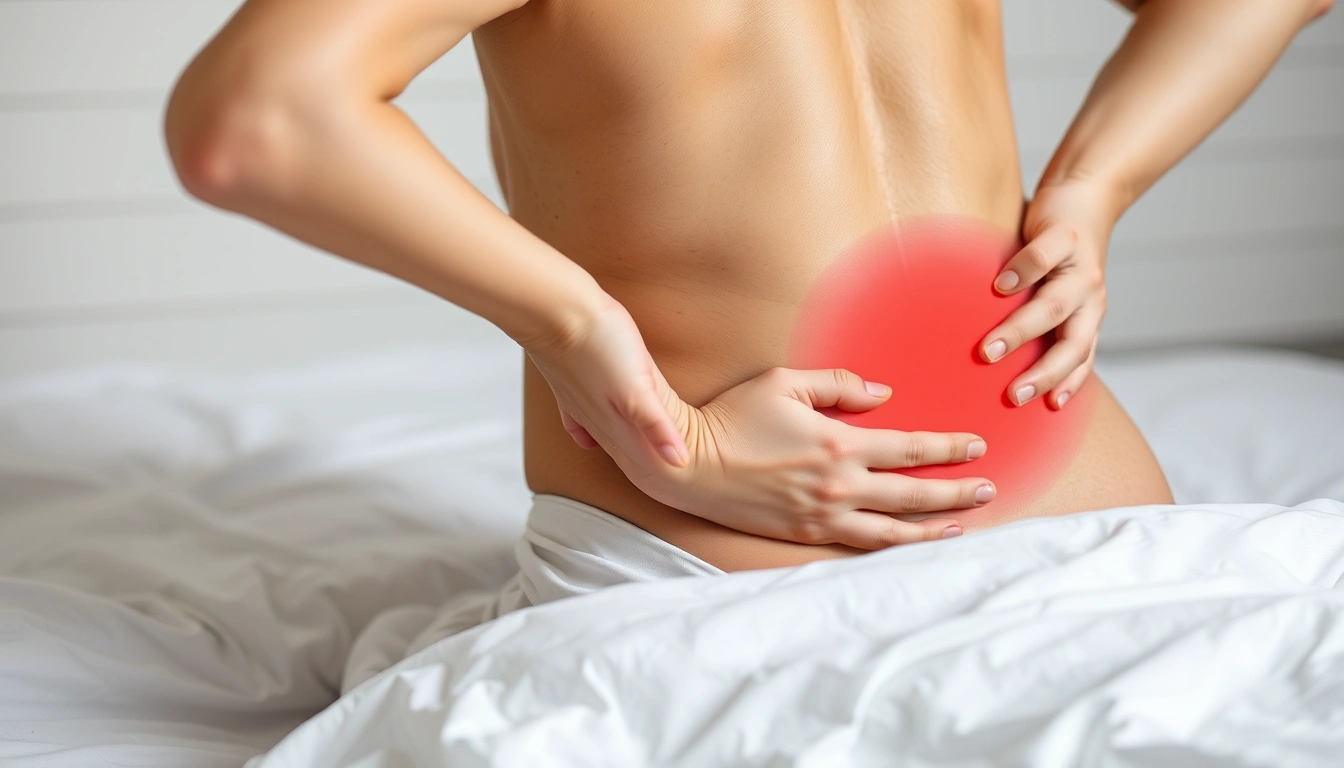
First, map the pain. Low back pain that stays in the center or across both sides often behaves differently from pain over one buttock, the sacroiliac joints, or pain that runs below the knee. Sciatica is the term for nerve-related pain that can travel down the leg; it often needs a more specific plan than a pillow stack.
Second, pay attention to triggers. When standing, turning in bed, or rising from a chair makes it worse, the problem may be mechanical loading. If coughing, sneezing, urinating, or bowel movements change the pain, that deserves professional review.
Third, inspect the sleep setup for compression. A pillow that is too thick can flex the neck; one that is too thin can leave the waist unsupported. A top leg that hangs forward can rotate the pelvis and irritate the sacroiliac area.
Fourth, think about timing. Pain that comes only after a long day and improves with rest is different from pain that wakes you repeatedly no matter what position you choose.
The practical test is not “Did I find the perfect sleep position?” It is “Did this arrangement reduce the pain enough that I can rest, and did it avoid new symptoms?” If it reduces discomfort but causes new numbness, dizziness, or abdominal pressure, it needs adjustment. So how sleep with back pain during pregnancy is usually about iteration, not one flawless posture. Bit by bit.
Warning Signs: When to Stop and Get Help
Some symptoms should not be managed as routine pregnancy back pain.
Fever or chills: this can point to infection, including a kidney infection — contact a clinician promptly, especially if you also have urinary symptoms.
Pain with vaginal bleeding: this is not typical mechanical back pain — seek urgent obstetric assessment.
Regular tightening or cramping: this may indicate contractions rather than muscle strain — call your maternity care team.
New leg weakness, numbness, or loss of bladder/bowel control: these can signal nerve compression or a serious spinal problem — get urgent medical care.
Burning urination, flank pain, or nausea with back pain: this can fit a urinary tract or kidney issue — contact a professional the same day.
Severe headache, visual changes, swelling, or upper abdominal pain: these may point to a pregnancy complication such as preeclampsia — seek urgent evaluation.
Ignoring these signs does more than wreck sleep. It can delay treatment for conditions that matter to both parent and baby, so consult a professional if you are unsure. The American College of Obstetricians and Gynecologists advises contacting your obstetric provider about concerning symptoms: https://www.acog.org/womens-health/faqs/morning-sickness-nausea-and-vomiting-during-pregnancy and https://www.acog.org/womens-health/faqs/pregnancy-what-to-expect
The Most Common Mistakes (and Their Real Consequences)
-
Sleeping flat on the back because it feels “neutral.” For some pregnant people this increases dizziness, shortness of breath, or discomfort from pressure on major blood vessels. Better alternative: side-lying with support, or a slight tilt if your clinician has said that is acceptable.
-
Using too many pillows. A tower of pillows can bend the spine in multiple directions and tighten the neck. Consequence: you wake with a new pain problem layered on top of the old one. Better alternative: fewer, purpose-specific supports.
-
Twisting to reach the bathroom or a glass of water. Rotation under load can irritate the sacroiliac joints and lower back. Consequence: sharp catching pain when turning in bed. Better alternative: log-roll and keep items within arm’s reach.
-
Assuming every back pain is muscular. Pregnancy changes can overlap with nerve, urinary, and obstetric problems. Consequence: delayed care. Better alternative: watch for the warning signs listed above.
-
Using heat carelessly. Very hot packs can irritate skin and may be inappropriate in some pregnancies. Consequence: burns or overheating. Better alternative: warm, not hot, and only if your clinician agrees.
-
Staying in one position all night. Even a good posture can become painful if held for hours. Consequence: stiffness and pressure buildup. Better alternative: gentle position shifts using the log-roll method.
Edge Cases and Modified Approaches
Some situations need a modified sleep plan.
When your pain is mostly in the pelvis rather than the spine, a pillow between the knees may not be enough. Some readers do better with a pregnancy support belt during the day, then a thicker pillow under both the abdomen and the top leg at night. A pelvic girdle pain pattern often needs targeted assessment, because the sacroiliac joints may be more sensitive than the lumbar spine.
If you have heartburn plus back pain, a full side-lying position with the upper body slightly elevated can be more tolerable than lying completely horizontal. The trade-off is that too much elevation can create neck strain, so the head and torso should rise together.
If your hips hurt on the side you sleep on, try a partial side-lying tilt with a pillow behind the back and one between the knees, instead of full weight on the hip. The point is to reduce compression, not force a textbook pose.
When your bed is too soft, some people sleep better with the mattress firmer under the pelvis. A firm surface can help, but if it is too hard it may aggravate pressure points. The best choice is the one that supports alignment without creating numb spots.
If you are in the third trimester and rolling over feels difficult, keep the pillow arrangement simple and use your arms and legs together to turn. The more elaborate the setup, the harder it is to move safely at night.
What to Expect: Realistic Timeline and Outcomes
Should sleep positioning help, many people notice at least a partial change within a few nights of consistent use. That does not mean the pain disappears. It often means the pain becomes less intense, shorter-lived, or less likely to wake you every time you move.
The honest limitation is that pregnancy back pain often has more than one cause. Your posture, hormonal ligament laxity, baby’s position, pelvic joints, mattress support, and daytime load can all contribute. A pillow strategy may help the nighttime piece without fixing the daytime trigger.
I would think of the goal as better sleep continuity and fewer flares, not a cure. Should the setup make you worse, if the pain starts radiating, or if the warning signs appear, stop treating it like a sleep problem and get professional input. That is the safest framing for how sleep with back pain during pregnancy, especially when symptoms change over time.
For many readers, the right answer is a combination of side-lying support, smarter turning, and a clinician’s guidance on whether the pattern suggests muscle strain, pelvic girdle pain, sciatica, or something that needs prompt evaluation. That is the safest way to approach sleep with back pain during pregnancy: practical at home, but not blind to the limits of home care. If you want to compare options, you may also find related guidance on pregnancy sleep positions, pelvic girdle pain, and sciatica during pregnancy.