Last updated: August 10, 2026
- – Keep the last large meal 2–3 hours before lying down.
- Sleep should feel safer and a little easier.
- – You can get up safely at night without feeling dizzy or unsteady.
- So the safest plan blends better positioning with real medical judgment when symptoms are strong, persistent, or atypical.
Quick Answer: For safe sleep tips for pregnancy heartburn, shortness of breath, and reflux at night, the most common home setup is left-side sleeping with the upper body raised about 6–8 inches and no large meal for 2–3 hours before bed. For many people, that combination lowers nighttime reflux and makes breathing feel easier. But if symptoms are severe or unusual, a clinician should assess them.
Key Facts
– Left-side sleeping with mild upper-body elevation is the main non-drug sleep strategy.
– Keep the last large meal 2–3 hours before lying down.
– A wedge or bed riser is usually better than stacking soft pillows.
– Severe shortness of breath, chest pain, fainting, or blue lips are not normal sleep-position issues.
– If symptoms stay frequent for several nights, review them with a qualified professional.
Pregnancy heartburn can hit hard at 2 a.m. The fix is usually boring, not magical. When symptoms are severe, suddenly worse, or paired with chest pain, fainting, heavy swelling, or trouble breathing, speak with a qualified professional about your own situation.
Who This Applies To — and Who Should See a Professional Instead
This is for pregnant readers dealing with the usual nighttime combo: heartburn, acid reflux, throat burning, burping, or that “can’t quite get a full breath” feeling that often shows up when you lie flat. It also fits people who wake up coughing, feel pressure under the ribs, or notice symptoms after late meals.
Usually, the goal is simple. Sleep should feel safer and a little easier. Position, meal timing, and the setup around the bed matter more than guesswork.
Not for emergencies. Get professional guidance sooner rather than later if you have any of these:
– chest pain, one-sided chest tightness, or pain that spreads to the arm, jaw, or back
– shortness of breath at rest, wheezing, blue lips, or trouble speaking in full sentences
– vomiting blood, black stools, or severe persistent vomiting
– severe headache, visual changes, right-upper-belly pain, sudden swelling, or very high blood pressure concerns
– a history of significant heart, lung, esophagus, or gallbladder disease
– reduced fetal movement or any symptom that feels unlike your usual pregnancy heartburn
Common does not mean harmless. A clinician can sort out whether this is simple reflux, positional pressure, asthma, anemia, preeclampsia, or something else. A jigsaw piece can look right until you turn it over.
The Step-by-Step Process for Safe sleep tips for pregnancy heartburn, shortness of breath, and reflux at night (Done Correctly)

- Stop eating and drinking large amounts 2–3 hours before lying down. Keep the last meal smaller than your main meal, and avoid a heavy bedtime snack. Verify: you feel less full in the upper abdomen before bed. Problem sign: if you still feel stuffed or nauseated after smaller meals, that pattern deserves a clinician’s input.
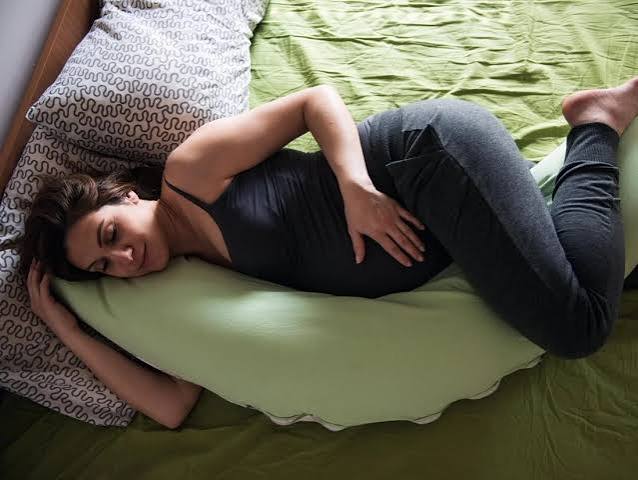
- Sleep on your left side with your torso slightly raised. Left-side lying is commonly recommended because it may reduce pressure on major vessels and can make reflux less likely for some people. Raise the upper body modestly using a wedge or by elevating the head of the bed about 6–8 inches, not by stacking soft pillows under the neck. Check: your chest and head are elevated as a unit and your neck stays neutral. Warning sign: when you slide down, curl forward, or wake with neck strain, the setup is working against you.
- Use a wedge or bed elevation, not a deep pile of pillows. A wedge gives a steadier slope; multiple pillows often fold the abdomen and can increase pressure. Check: you can breathe comfortably and your stomach is not compressed. Warning sign: if your belly feels squeezed or reflux worsens, the angle or support is wrong.
- Place a pregnancy pillow or body pillow behind your back and between your knees. This can keep you from rolling flat on your back and may reduce hip and pelvic strain. Check: you can hold the side-lying position without twisting. Warning sign: if you wake flat on your back repeatedly, you need more body support or a different arrangement.
- Keep the room cool and avoid tight waistbands or restrictive sleepwear. Extra abdominal pressure can aggravate reflux. Check: you can take a deep breath without waistband pressure. Warning sign: if clothing leaves deep marks or makes breathing feel harder, choose looser layers.
- Use slower breathing when you first lie down. Try a calm, paced rhythm: inhale gently through the nose, exhale longer than the inhale, for several minutes. This does not treat reflux, but it can help the panic loop that often follows shortness-of-breath sensations; if breathing feels truly labored or you are unsure what is causing it, consult a clinician about your own situation. Check: your breathing feels less rushed. Warning sign: if breathing is actually labored, noisy, or painful, do not write it off as anxiety.
- When symptoms start, change position before they escalate. Sit up for a few minutes, then return to the left side with the torso raised. Check: burning eases or stops. Warning sign: if you need to sit upright repeatedly every night, your symptoms are not well controlled and should be reviewed.
- Track triggers for one week. Note late meals, acidic foods, large portions, carbonated drinks, and any position that worsens symptoms. Check: a pattern becomes visible. Warning sign: if symptoms are frequent without a clear trigger, that is useful information for your clinician, not a reason to keep guessing.
The aim is not a flawless pose. That never lasts. The real goal is to cut down backward flow of stomach contents, leave more room for the diaphragm to move, and avoid the flat position that often makes reflux and “air hunger” feel worse.
Critical Checkpoints: What to Verify Before Moving Forward
Before you call a bedtime setup “safe,” I would check four things.
First, confirm that your position is truly side-lying, not half-back, half-side. A tilted back posture can still allow reflux and can make snoring or breathlessness worse. If your shoulders and hips are not both supported, the setup is unstable.
Second, confirm that the bed angle is mild rather than extreme. The goal is usually gentle elevation of the upper body, not sitting upright in bed. Too much bend at the waist can compress the abdomen and increase discomfort.
Third, confirm that meal timing is realistic. If you eat a heavy dinner or snack right before bed, no pillow arrangement can fully undo that. Small, earlier meals are often easier on reflux than one large late meal.
Fourth, confirm that the symptoms match typical pregnancy reflux rather than something else. Burning behind the breastbone, sour taste, and symptoms after lying down fit reflux more than they fit a lung problem. Shortness of breath that occurs even sitting still, or that worsens with exertion, needs more attention.
A few practical checks help:
– You can lie on your left side for at least part of the night without neck, shoulder, or pelvic pain taking over.
– You are not using a stack of soft pillows that curls your spine.
– You can get up safely at night without feeling dizzy or unsteady.
– Your symptoms improve with position changes, which is a useful clue that reflux or pressure is part of the problem.
If none of that helps, the issue may be more than ordinary pregnancy reflux, and a clinician can decide whether further evaluation or pregnancy-safe treatment options make sense. For persistent symptoms, professional review is especially important because reflux, asthma, anemia, and pregnancy-related blood pressure problems can overlap; the American College of Obstetricians and Gynecologists advises contacting a clinician when symptoms are severe, persistent, or concerning.
Warning Signs: When to Stop and Get Help

Chest pain or pressure: This can mimic reflux but may also signal a heart or lung problem — seek urgent medical evaluation.
Shortness of breath at rest: Needing to gasp, speak in short phrases, or sit upright to breathe comfortably is not routine reflux — contact a clinician promptly or seek urgent care depending on severity.
Vomiting blood or black stools: These can point to bleeding in the upper digestive tract — get emergency care.
Severe headache, vision changes, or sudden swelling: These can fit preeclampsia concerns, especially later in pregnancy — call your obstetric provider right away or go to urgent evaluation.
Persistent vomiting or inability to keep fluids down: Dehydration can become serious in pregnancy — seek prompt medical advice.
New wheezing, blue lips, or fainting: These are not typical sleep-position problems — get emergency help.
If a symptom feels abrupt, intense, or unlike your usual nighttime reflux, I would not start with pillows. Get it checked.
The Most Common Mistakes (and Their Real Consequences)
One common mistake is sleeping flat because it feels simpler. Flat positioning often lets stomach contents move upward more easily, which can mean more burning, coughing, and fragmented sleep. The better alternative is left-side lying with the torso slightly elevated.
Another mistake is using too many pillows. That often bends the neck forward and folds the abdomen, which can make breathing feel worse and can even aggravate reflux. A wedge or bed elevation is usually cleaner than a pillow tower.
A third mistake is eating a large late meal and then trying to “fix” symptoms with position alone. That sets up pressure in the stomach that no pillow can fully solve. The better move is earlier, smaller evening meals.
A fourth mistake is assuming every night symptom is just pregnancy discomfort. Shortness of breath can happen in pregnancy, but chest pain, fainting, wheezing, or symptoms that appear at rest need more than home care. The right move is to call a qualified professional promptly.
A fifth mistake is ignoring neck, shoulder, or pelvic pain from the sleep setup. If the position helps reflux but causes new pain, it is not a good setup. The adjustment should keep the spine neutral and the hips cushioned.
A sixth mistake is taking a random approach night after night. Reflux management is often about pattern recognition. Write it down for a week. Meals, position, triggers. The picture usually shows up.
Edge Cases and Modified Approaches
Some pregnancies need a modified plan.
If you are in the third trimester and side-lying is uncomfortable, the basic idea still holds, but you may need more support: a body pillow in front, one behind the back, and a small cushion between the knees. The goal is to keep you from rolling flat without forcing your hips or ribs into a painful twist.
If you have significant nasal congestion, shortness of breath may feel worse at night even when reflux is part of the picture. In that case, controlling room dryness, sleeping propped slightly, and using clinician-approved congestion measures may matter as much as the reflux setup.
If you have known asthma, breathing symptoms should not be assumed to be reflux. Nighttime coughing or wheeze can be asthma-related, and pregnancy can change symptom patterns. That is a situation where I would want your obstetric clinician or primary care clinician involved.
If you have obesity, twin pregnancy, or a very large uterus, the pressure on the diaphragm can be greater, and a gentle incline may be more useful than a flat side position alone. Still, over-elevation can backfire by bending the abdomen. Small changes are usually better than dramatic ones.
If you have severe reflux despite careful positioning and meal timing, a clinician may discuss pregnancy-appropriate medication options. I am not naming doses here because that should be individualized. Depending on the product and whether it is prescribed or over the counter, out-of-pocket costs can range from about $5 to $30 for a month’s supply, so it is worth asking a pharmacist or clinician what is reasonable before you buy anything.
What to Expect: Realistic Timeline and Outcomes
If the problem is mainly positional, you may notice some improvement the first night you change the setup. Still, full relief is not always immediate, and some people need several nights of consistent changes before the pattern is clear. Reflux often has multiple triggers, and pregnancy anatomy keeps changing as the uterus grows.
A realistic short-term outcome is not “never wake up again.” It is more like fewer burning episodes, less sour taste, less coughing after lying down, and less frantic upright sitting in the middle of the night. Sleep may still be interrupted, but the interruptions may become shorter and less intense.
When changes are working, there is usually a pattern: symptoms lessen when you avoid late meals, use left-side lying, and keep the upper body mildly elevated. If that pattern does not appear after several nights, or if you are getting worse, the next step is not to keep improvising forever. Speak with a qualified professional and review whether something else is going on.
One honest limitation: these sleep tips help some pregnant people a lot and barely help others. Pregnancy heartburn and shortness of breath are not always simple mechanical problems; they can also reflect reflux severity, asthma, anemia, or pregnancy-related blood pressure issues. So the safest plan blends better positioning with real medical judgment when symptoms are strong, persistent, or atypical.