Last updated: August 10, 2026
- A better setup should feel steadier within 5 to 10 minutes, not worse.
- A 2024 review of pregnancy sleep guidance points to the same practical aim: take pressure off, keep the pelvis neutral, and stop chasing one magical position.
- Costs vary: a basic pregnancy pillow can cost about $20 to $80, while supportive wedges and toppers may range from $15 to $150.
- And at night, it tends to steal the show.
Quick Answer
Nighttime hip pain in pregnancy usually responds best to side-lying, with a firm pillow from knees to ankles, a small support under the belly if needed, and a pillow behind the back so you do not roll. A 2024 review of pregnancy sleep guidance points to the same practical aim: take pressure off, keep the pelvis neutral, and stop chasing one magical position. Severe, sudden, one-sided pain — or pain that affects walking — calls for a qualified clinician.
Key Facts

- How to sleep with hip pain during pregnancy usually works best with side-lying support from knees to ankles.
- Hip pain in pregnancy is common and often worsens when pressure builds overnight.
- A pillow between the knees alone can still leave the pelvis twisting.
- If pain is intense, asymmetric, or affects daytime walking, consult a professional.
- Red flags include fever, swelling, redness, numbness, weakness, bleeding, contractions, or decreased fetal movement.
- A better setup should feel steadier within 5 to 10 minutes, not worse.
- Sleep positioning can help, but it does not diagnose the cause of hip pain.
- Costs vary: a basic pregnancy pillow can cost about $20 to $80, while supportive wedges and toppers may range from $15 to $150.
Hip pain in pregnancy is common. And at night, it tends to steal the show.
How to sleep with hip pain during pregnancy often comes down to a few plain goals: cut down pressure, keep the pelvis neutral, and shift before the ache ramps up. Not perfection. Just less irritation. Severe, one-sided, sudden pain, or pain that comes with other symptoms, should be discussed with a qualified clinician rather than treated like a simple sleep problem.
Who This Applies To — and Who Should See a Professional Instead
This guide fits pregnant people who notice aching, stiffness, or pressure in the outer hip, groin, buttock, or low back when lying down, rolling over, or getting up after sleep. It also fits people whose pain is worse on the side they lie on, or who wake up from the same pressure point night after night. In many cases, that pattern tracks with ordinary pregnancy changes: looser ligaments, changed posture, and more load through the pelvis and hips.
Not the DIY route, though, when the pain is sharp, rapidly worsening, tied to fever, swelling, redness, numbness, weakness, vaginal bleeding, contractions, headache with vision changes, or calf pain. And if you cannot bear weight, your hip locks, or you have a history of hip injury, inflammatory arthritis, or a pelvic condition that already needs care, home positioning is not enough. That’s a job for a professional assessment. Otherwise you may be fixing the pillow and missing the point.
A good rule: mild to moderate pain that is predictable and clearly position-related is reasonable to work on at home. Intense pain, pain on one side only, or symptoms that interfere with walking during the day? Consult a clinician. Simple.
The Step-by-Step Process for How to sleep with hip pain during pregnancy (Done Correctly)
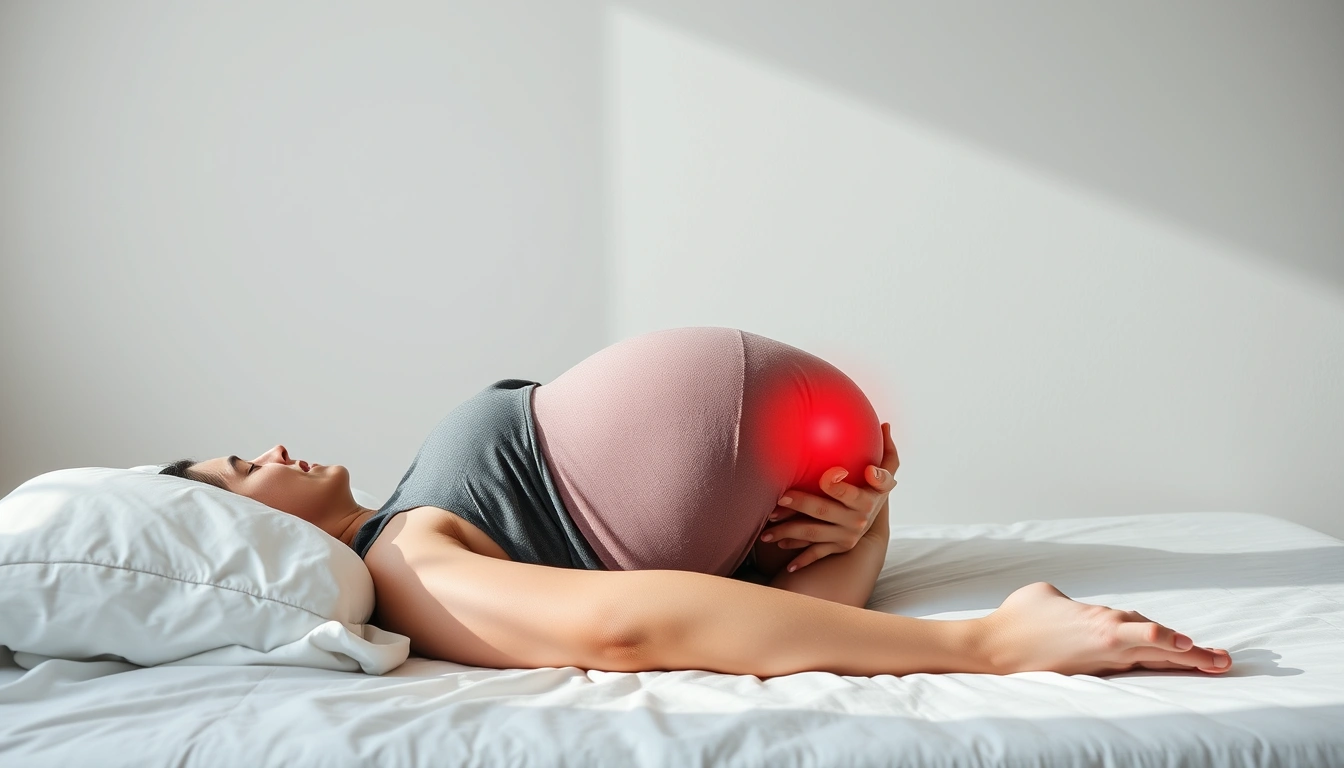
The goal is pretty plain: reduce compression at the hip, stop the pelvis from twisting, and make bed turns less annoying. I’d start here.
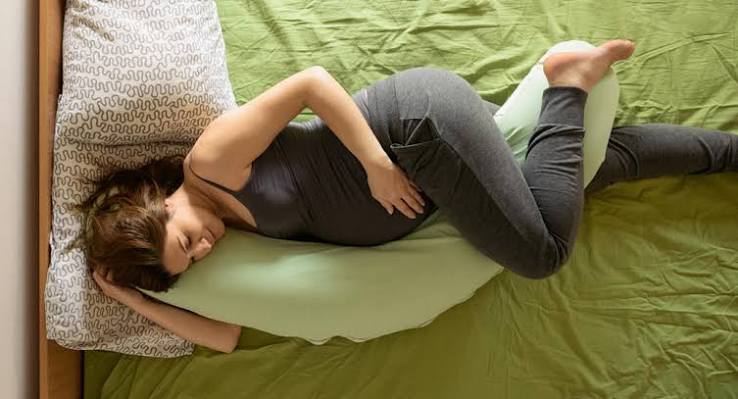
- Lie on your side, not flat on your back, unless your clinician has told you otherwise. Use the side that feels less painful or switch sides if one side gets sore. Check: your shoulder, hip, and knee should feel roughly stacked, not rolled forward. Problem sign: if you wake with numbness, pinching in the groin, or a sharp outer-hip ache, the position is likely still compressing too much.
- Place a firm pillow between your knees and ankles. Let it run from upper thigh to lower calf if possible, so the top leg does not drop forward. Check: your top knee should not rest far in front of the bottom knee. Problem sign: if your pelvis twists, your low back arches, or the top hip feels pulled forward, the pillow is too thin or too short.
- Support your abdomen with a small pillow or rolled blanket if your belly pulls you forward. Keep it light; you want support, not pressure. Assess: your torso feels settled and you are not tipping onto your stomach. Problem sign: if you feel pressure on the uterus or increased shortness of breath, remove or reduce the support.
- Use one pillow behind your back for a slight backward stop. This can prevent you from rolling fully onto your back during sleep. Check: you can still breathe comfortably and remain mostly on your side. Problem sign: if the support forces a twist through the spine, it may worsen hip and sacroiliac pain.
- Keep the mattress surface as even as possible. If the bed sags toward the middle, add a firmer topper or sleep where the surface is most level. Assess: your hip does not sink lower than your shoulder. Problem sign: if you feel “folded” at the waist, the surface is likely aggravating joint strain.
- Turn as one unit when changing sides. Bend both knees, tighten your core gently, and move shoulders and hips together rather than twisting. Check: the movement feels controlled and smooth. Problem sign: if turning causes a stab in the pelvis or pubic area, you may need more pillow support or slower movement.
- Use a short routine before bed to lower tissue tension. A warm shower, gentle hip circles, or a few minutes of side-lying rest can make the first sleep stretch easier. Check: the pain eases or stays stable, not worse, after warming up. Problem sign: if heat increases swelling or discomfort, stop and avoid making it your routine.
- Keep getting up and repositioning briefly if one position hurts. Do not wait until pain spikes. A quick change can prevent the hip from guarding all night. Check: pain settles within a few minutes after repositioning. Problem sign: if repeated position changes do nothing, the issue may need clinical evaluation rather than more pillow adjustments.
One detail generic advice often misses: the pillow between the knees helps, but the ankles matter too. If the top leg hangs forward while the knees are separated, the pelvis can still rotate and tug the hip joint. I’d rather see one well-placed pillow than four random ones. Less clutter, better result.
Critical Checkpoints: What to Verify Before Moving Forward
Before you settle on a sleep setup, check three things: comfort, alignment, and function. Comfort means the hip pain is no worse after five to ten minutes in position. Alignment means your shoulders, ribs, pelvis, knees, and ankles are not all pointing in different directions. Function means you can turn, breathe, and get out of bed without feeling trapped.
And there’s a second layer: the type of pain matters. Outer-hip soreness after lying on one side often behaves differently from groin pain or pubic bone pain. Groin pain can point to deeper joint irritation, while pubic pain may reflect pubic symphysis stress, where the front of the pelvis becomes irritated. That does not let you self-diagnose, but it does explain why one pillow setup works for one person and falls flat for another. If you are unsure which pattern fits, a pelvic health clinician can help sort it out.
Check your setup with a short test run before you commit to the whole night. Lie in the intended position for a few minutes, turn once or twice, and notice whether the pain is steady, less, or increasingly sharp. If it improves when you get off the painful side, that’s a useful sign. If it gets worse the longer you stay still, you may need to move pressure points or ask for professional guidance.
Another checkpoint: daytime symptoms count. If walking, climbing stairs, or standing from a chair is also getting harder, the problem is probably not just sleep posture. That’s the moment a pelvic health physical therapist or obstetric clinician can help sort out mechanics, safe movement, and whether you need more evaluation.
Warning Signs: When to Stop and Get Help
Some symptoms mean this is no longer a bedtime comfort issue.
Severe, sudden hip or groin pain: a sharp change that makes it hard to stand, walk, or bear weight — stop trying to “sleep it off” and contact a clinician promptly.
One-sided swelling, redness, or warmth in a leg: this can signal a clot rather than simple musculoskeletal pain — seek urgent medical assessment.
Fever or feeling ill with hip pain: this raises concern for infection or another systemic problem — get medical care rather than continuing home positioning.
Numbness, weakness, or pain shooting below the knee: this may involve nerve irritation, not just joint pressure — speak with a qualified professional soon.
Vaginal bleeding, fluid leakage, regular contractions, or decreased fetal movement: these are pregnancy warning signs, not sleep-position issues — contact your maternity care provider or urgent care as instructed in your prenatal plan.
Headache, vision changes, sudden swelling, or right-upper-abdominal pain: these can be signs of a pregnancy complication that needs assessment — do not focus only on the hip.
A common mistake is assuming “pregnancy pain” means “normal.” Sometimes it is. Sometimes it isn’t. If the pattern changes abruptly, becomes constant, or starts affecting your day as much as your night, that deserves evaluation. No shortcut here.
The Most Common Mistakes (and Their Real Consequences)
One mistake is lying directly on the painful hip because it feels like the “stable” choice. The consequence is more compression over the bursa, soft tissues, or joint capsule, which can make the night progressively worse. Better move: offload that side with a pillow stack and a slight pelvic roll.
Another mistake is putting a pillow only between the knees. That may help briefly, but the top leg can still collapse forward and twist the pelvis. The result is often low-back or pubic pain by morning. I’d choose support from knees to ankles whenever possible.
A third mistake is piling on too many pillows without a plan. Too much bulk can flex the spine, push the pelvis forward, or make turning nearly impossible. The better approach is fewer, firmer supports placed to keep the body in one line. More isn’t better. Not here.
A fourth mistake is ignoring mattress quality. A very soft or sagging surface can sink the hip and trap you in a twisted posture. A more even sleep surface often matters as much as the pillow arrangement, and a basic topper or firmer insert can be less expensive than replacing a mattress.
A fifth mistake is waiting until pain is already high before changing position. Once muscles start guarding, it is harder to settle. The better alternative is to turn early, before the hip gets angry.
Edge Cases and Modified Approaches
Pubic symphysis pain? Reduce wide leg separation. Keep the knees closer together when turning, use a narrower pillow, and move in smaller steps. Over-opening the legs can aggravate the front of the pelvis.
If you have sciatica-like symptoms, such as buttock pain with leg radiation, side-lying with a pillow between the knees may help, but you may also need to avoid lumbar rotation. A pillow behind the back can keep the torso from rolling backward or forward too far. Small adjustments. Big payoff.
When your belly is large enough that side-lying feels unstable, a small front support under the upper abdomen may improve balance. The trade-off is that too much front support can make breathing uncomfortable or shift pressure onto the uterus, so keep it modest.
If one hip is much more painful than the other, try lying on the less painful side first and use more support behind the back so you do not fully flatten onto the sore side during sleep. If that still fails, alternating sides through the night may be better than staying stuck in one position.
If you are recovering from a prior hip injury, have hypermobility, or already use a maternity support belt during the day, your night setup may need to be simpler and more controlled. In those cases, I’d involve a clinician sooner because the right modification depends on the exact mechanics.
What to Expect: Realistic Timeline and Outcomes
If the pain is mainly positional, you may notice a difference the first night you reduce twisting and pressure. That does not mean the problem is “fixed.” It means the joint or surrounding tissue is being irritated less.
In many cases, the target is better sleep, not perfect sleep. Some nights will still be broken up by turning, bathroom trips, or general pregnancy discomfort. A successful setup usually looks like this: you fall asleep more easily, wake fewer times from hip pain, and can get out of bed with less stiffness.
If a pillow setup helps only a little, that still matters. Small changes can lower the total irritation load over a week. But if you need to keep escalating support, or the pain keeps spreading into the day, I’d stop treating it as a sleep-only issue and ask a clinician or pelvic health physical therapist to assess it.
There is an honest limit here: not every pregnancy hip pain problem responds to positioning. Some needs are mechanical, some are inflammatory, and some need an exam to sort out safely. Sleep strategy can be a strong first step, but it is not a substitute for professional care when red flags, severe pain, or functional decline are present.
If you want the shortest practical summary, I’d say this: side-sleep, stack support from knees to ankles, keep the pelvis from rolling, turn before pain builds, and get checked if the pattern is severe or changing.