
Last updated: August 10, 2026
- Plain and simple: it covers what to do when you wake up at 3 a.m.
- The Step-by-Step Process for What to do when you wake up at 3 a.m.
- Critical Checkpoints: What to Verify Before Moving Forward Timing comes first.
- What to Expect: Realistic Timeline and Outcomes A simple timeline works best.
Quick Answer: A 3 a.m. wake-up and a possible pregnancy do not call for drama. Check for emergency symptoms first, wait for a first-morning home pregnancy test, then contact a qualified clinician if the result is positive, unclear, or the symptoms are concerning. Severe pain, heavy bleeding, fainting, or any emergency warning sign? Get urgent medical help right away.
Key Facts
– A home pregnancy test is usually more useful after a missed period than at 3 a.m. after a late-night worry.
– A first-morning urine sample is often the best home-test sample.
– One early negative test does not always rule out pregnancy; repeat testing or clinical advice may be needed.
– Heavy bleeding, one-sided pelvic pain, shoulder pain, fainting, or severe cramping are urgent warning signs.
– If you are using fertility treatment or have an IUD, ask a professional for personalized guidance.
– If pregnancy is confirmed, same-day or next-day follow-up is appropriate, not panic.
You wake up at 3 a.m. and the thought hits hard: am I pregnant, or just anxious? Start with the basics. In the morning, check a home pregnancy test, then follow up with a qualified clinician about the result and your symptoms. Severe pain, heavy bleeding, fainting, or any emergency warning sign means get urgent medical help right away.
Who This Applies To — and Who Should See a Professional Instead
Late period. Nausea. Breast tenderness. Weird fatigue. This article is for the person who has one of those clues, wakes up in the middle of the night, and cannot stop thinking about it. It also fits someone who already has a positive test and is deciding what needs attention tonight versus what can wait until morning. Plain and simple: it covers what to do when you wake up at 3 a.m. pregnant and need a calm next move.
Not everyone should stay in the home-test lane. Should you have one-sided pelvic pain, shoulder pain, severe cramping, heavy vaginal bleeding, shortness of breath, fainting, or confusion, seek urgent care or consult a professional right away. Those symptoms can point to ectopic pregnancy, miscarriage, or another urgent problem and need prompt medical assessment. See the NHS ectopic pregnancy guidance and Mayo Clinic pregnancy warning signs. NHS, Mayo Clinic
Some situations need a clinician before you start guessing. This includes fertility treatment, an IUD in place, or significant medical conditions such as diabetes, seizure disorders, clotting disorders, or a history of ectopic pregnancy. In those cases, early pregnancy calls for more personal guidance because the risks and next steps can shift. The FDA and Planned Parenthood both note that some medications and conditions need medical input in pregnancy. FDA, Planned Parenthood
Early signs overlap. A lot. PMS, stress, illness, and broken sleep can look a lot like pregnancy at first, which is why a home test and a professional follow-up are the usual next steps. The right path depends on timing, symptoms, and how much risk you have. Honestly, should you feel unwell and you are not sure what you are dealing with, I would speak with a qualified professional rather than trying to decode it all alone.
The Step-by-Step Process for What to do when you wake up at 3 a.m. pregnant (Done Correctly)
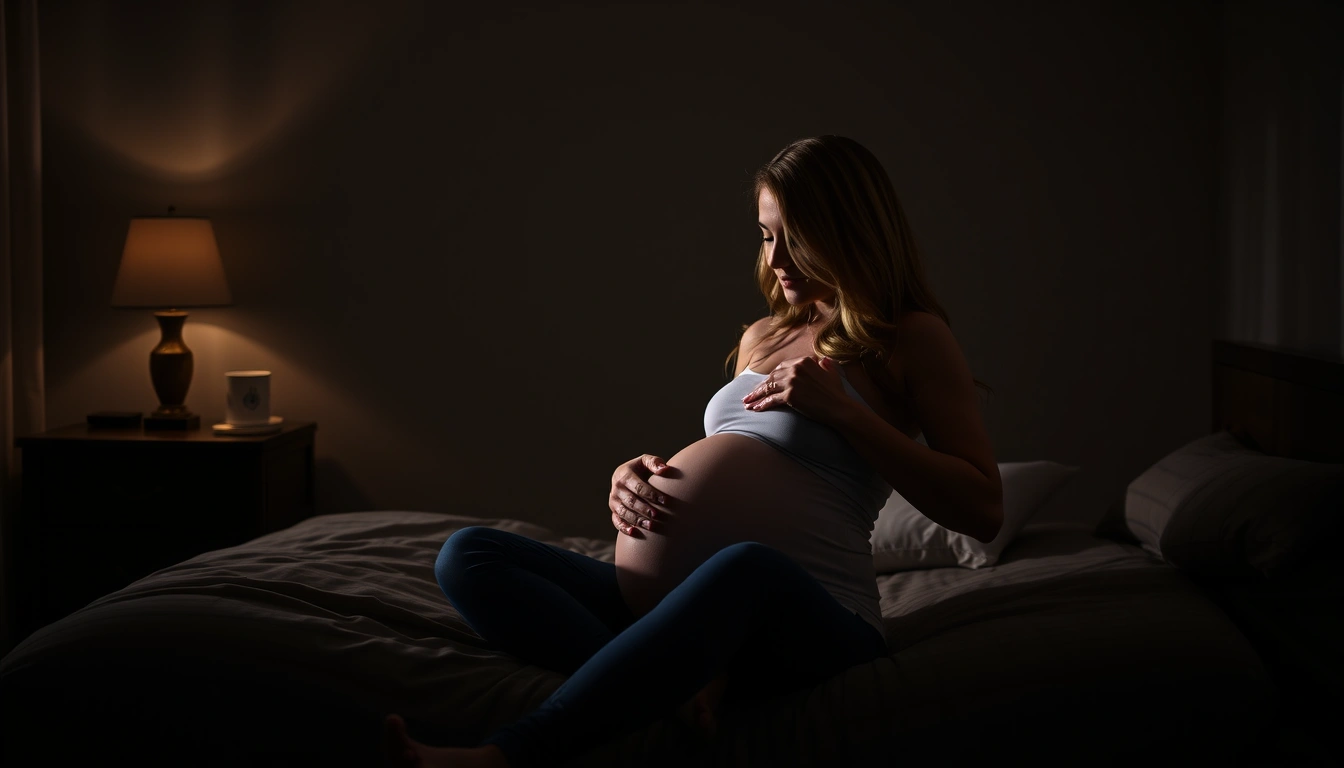
- Pause for 60 seconds and check for urgent symptoms. Sit up slowly. Notice whether you have severe pain, heavy bleeding, dizziness, or faintness, and see if you can speak normally. To verify: you are alert, breathing comfortably, and not bleeding heavily. A problem is indicated by one-sided pain, shoulder pain, collapse, or soaked pads; those are reasons to seek urgent care, not to continue with home checking.
- Decide whether tonight is for reassurance or for action. Already have a positive pregnancy test? Then the question is usually symptom control and arranging follow-up. Only suspect pregnancy? Morning testing is the practical move because urine is typically more concentrated then. To verify: when your last period started and whether you are late. A problem is indicated by severe symptoms despite no confirmed test, because that raises concern for something other than routine early pregnancy.
- Do not overdrink water before testing. Should you plan a test first thing, skip the big glass marathon overnight. To verify: you are able to wait until morning without deliberately diluting the urine sample. A problem is indicated by already having been drinking heavily because of anxiety or nausea, since a negative test may be less informative and may need repeating.
- Use a home pregnancy test correctly in the morning. Follow the package instructions exactly, and use first-morning urine if possible. To verify: the test is not expired, the control line appears as expected, and you read it within the instructed time window. A problem is indicated by no control line, a test read far too early or too late, or uncertainty about the instructions; that means the result is unreliable.
- Should the test be negative but your period still does not come, repeat it later. Early pregnancy hormone levels can rise over time, so one early negative result may not be enough if your period has not arrived. To verify: whether ovulation may have been later than you think, which shifts testing timing. A problem is indicated by repeated negative tests with a missed period and worsening symptoms; that deserves medical review.
- If the test is positive, start making a same-day or next-day plan. Write down the date of the first day of your last menstrual period, any medicines you take, and any symptoms you have. To verify: you know who you can call for prenatal care or advice. A problem is indicated by bleeding, significant pain, fever, or vomiting that keeps you from drinking fluids.
- Choose comfort measures that are generally safe while you wait for morning. Rest, sip small amounts of fluid if you feel nauseated, and avoid alcohol, smoking, or nonessential medicines until you have checked whether they are appropriate in pregnancy. To verify: you can keep fluids down and you are not getting more symptomatic. A problem is indicated by persistent vomiting, inability to keep fluids down, or worsening pain.
- Set one clear follow-up action for morning. That may mean calling your OB-GYN, midwife, family doctor, or local clinic, or arranging urgent evaluation if you have red flags. To verify: the plan is specific, not vague. A problem is indicated by trying to “wait and see” for several days despite a positive test and concerning symptoms.
The point of this sequence is simple: sort urgency from uncertainty. You are not solving the whole pregnancy at 3 a.m. You are deciding between emergency care now, a home test in the morning, or a professional appointment soon. That distinction matters. For a broader checklist, see our early pregnancy symptoms guide and when to call a doctor.
Critical Checkpoints: What to Verify Before Moving Forward
Timing comes first. Home pregnancy tests tend to be more useful after a missed period, though timing varies with cycle length and ovulation. Test too early, and you can get a negative result even when you are pregnant. A study cited by the NIH notes that testing after the expected period gives better accuracy than testing days earlier. I would not treat one very early negative as the final word if your period still does not arrive. NIH
Next up is the test itself. Check the expiration date, the instructions, and the required reading window. A line that appears outside the time window can be misleading. No control line? The test did not work. When the result is unclear, assume it is not reliable. Planned Parenthood and the FDA both stress reading the instructions carefully. Planned Parenthood
Symptoms are the third check. Mild cramping, breast tenderness, and tiredness can happen in early pregnancy, but they can also happen with PMS or other common causes. Severe pain, heavy bleeding, or fainting are not “normal early pregnancy signs.” They deserve prompt evaluation. Sharp, one-sided pain is not a shrug-and-wait situation. The ACOG patient guidance on early pregnancy bleeding and pain is a useful reference point. ACOG
Medication and exposure history matter too. Should you have taken prescription medicines, over-the-counter pain relievers, herbal products, or recreational substances, a clinician may need to advise you on whether anything should be changed. I would not guess here. Pregnancy is one of those times when the details matter. The FDA recommends checking before starting or stopping any medicine in pregnancy. FDA
Personal risk level is the fifth checkpoint. Previous ectopic pregnancy, pelvic surgery, infertility treatment, an IUD, or a history of pregnancy loss can change how early symptoms are interpreted. Those situations do not mean disaster, but they do mean the standard advice may need modification. If any of those apply, consult a professional rather than trying to sort it out alone.
One practical rule: should you describe your situation in a single sentence and that sentence includes “severe,” “heavy,” “one-sided,” “fainting,” or “I’m not sure what this is,” I would move from home management to professional advice quickly.
Warning Signs: When to Stop and Get Help

Heavy vaginal bleeding: Bleeding that soaks through pads, contains large clots, or keeps increasing can mean miscarriage or another urgent problem — seek prompt medical care or emergency evaluation.
One-sided pelvic or abdominal pain: Pain on one side can be a sign of ectopic pregnancy, which is a pregnancy outside the uterus — get urgent assessment now.
Shoulder pain with dizziness: This combination can happen when internal bleeding irritates the diaphragm — call emergency services or go to the ER.
Fainting or near-fainting: This can point to low blood pressure, dehydration, or internal bleeding — do not drive yourself; get urgent help.
Fever or chills: Fever is not a typical sign of uncomplicated early pregnancy — contact a clinician promptly, especially if you also have pelvic pain or bleeding.
Inability to keep fluids down: Persistent vomiting can lead to dehydration and needs medical advice — reach out the same day, sooner if you are weak or dizzy.
These symptoms change the answer fast. Really fast. The goal is not to be dramatic; it is to avoid missing a problem that time can make worse. For pregnancy emergencies, the NHS ectopic pregnancy page and Mayo Clinic both list similar red flags.
The Most Common Mistakes (and Their Real Consequences)
Testing in the middle of the night after drinking a lot of water is a common misstep. It can dilute the urine and make a test less sensitive. Better to wait for first-morning urine if you can safely do so.
Another trap is assuming one negative test closes the case. If ovulation happened later than expected, the pregnancy hormone may simply not be high enough yet. The result can be false reassurance. The better move is to repeat testing later or speak with a clinician if your period still does not come. Home-test sensitivity is often strongest a few days after the missed period, not before it. NIH
Pain gets brushed off too often. Mild discomfort can happen, but severe or one-sided pain is different. Waiting can delay care for an ectopic pregnancy or another urgent condition. Treat pain pattern and severity as meaningful. Not optional.
Random medicines and supplements are another bad bet. Online advice has a way of sounding confident and being wrong. The consequence can be unnecessary exposure or interactions. Check with a pharmacist or clinician who can review the exact product.
Then there is the urge to solve everything in one night. That road leads to poor sleep, worse nausea, and more confusion. The better alternative is to split tonight’s issue into one of three buckets: emergency care, morning testing, or routine follow-up.
Finally, do not skip the notes. People forget the first day of the last menstrual period, the time of the test, and which symptoms happened when. That makes later advice harder to give. I would keep a short note in my phone with dates, symptoms, and test results.
Edge Cases and Modified Approaches
An IUD changes the picture. Should you think you may be pregnant and you also have pain or bleeding, I would not rely on home testing alone. Pregnancy with an IUD is uncommon, but when it happens, clinicians pay close attention to ectopic pregnancy risk. A positive test should be followed by medical guidance. The CDC notes that pregnancy with an IUD needs prompt evaluation. CDC
Fertility treatment is another special case. Your pregnancy timing may be different from a typical cycle, and some treatments can affect when a test becomes positive. That is a situation where the clinic’s instructions matter more than general advice. If your fertility clinic gave you a test date, follow that schedule.
Irregular cycles can muddy the water. You may not know what “late” means, so symptoms plus repeated testing over time are more useful than a single date estimate. A clinician can help interpret the pattern. Tracking a 28-day cycle is not realistic for everyone.
Severe nausea shifts the immediate goal. Hydration may matter more than confirmation for the moment. Small sips, bland foods if tolerated, and prompt advice if you cannot keep fluids down are more important than repeatedly retesting. Dehydration can make you feel worse within hours. Nasty stuff.
If you are at risk for miscarriage or ectopic pregnancy because of prior history, early contact with a professional is wiser than waiting for certainty. I would lower my threshold for calling in those cases.
Unwanted pregnancy? The nighttime question still has a practical answer: confirm the result, then reach out to a qualified clinician or trusted reproductive health service as soon as possible. Timing matters, and you do not need to sort out every decision at 3 a.m. before you can ask for information.
What to Expect: Realistic Timeline and Outcomes
A simple timeline works best. Overnight, focus on whether you have urgent symptoms. In the morning, test correctly if pregnancy is still uncertain. Within a day or two, contact a clinician if the test is positive, if symptoms are concerning, or if repeated negative tests do not match what your body is telling you.
Positive test and feeling well? The next stage is usually confirmation of pregnancy, review of your medical history, and planning for prenatal care. Should symptoms be mild, that process is often routine, though it may still feel emotionally huge.
Negative test but no period yet? You may need another test later or a medical review. That can be frustrating, but it is common enough that it should not be read as failure. Sometimes the body’s timing is just different from the calendar.
Severe symptoms shorten the clock. Emergency symptoms should not wait for office hours. That is the main thing I want readers to remember: the question is not only “am I pregnant?” It is also “is anything dangerous happening right now?”
A 3 a.m. wake-up like this can feel dramatic and isolating. The practical response is calmer than the fear: check for danger, test at the right time, note the facts, and bring in a professional when the situation is uncertain or risky. That path gives you the most reliable answer with the least guesswork.