
Last updated: November 20, 2026
Quick answer: set up 3 things — a clear path, one low-glare light, and stable footwear — before you go to bed. That is the simplest way to reduce trip risk on night walks to the toilet in pregnancy. If balance feels off, pain is sharp, or dizziness is part of the picture, speak to a qualified professional about your own situation. For general pregnancy safety guidance, see the NHS on pregnancy and the ACOG patient guidance.
Key takeaways
- Keep the route simple: bed, floor, hallway, bathroom, back again.
- Use one steady light source and avoid bright glare that can blind you half-awake.
- Put shoes or slippers where your feet can find them without bending far.
- Remove loose rugs, cords, baskets, and anything that sticks out into the path.
- Add a handhold where the route turns, narrows, or changes surface.
- If the walk feels unsafe, change the setup instead of pushing through it.
What should the path include?
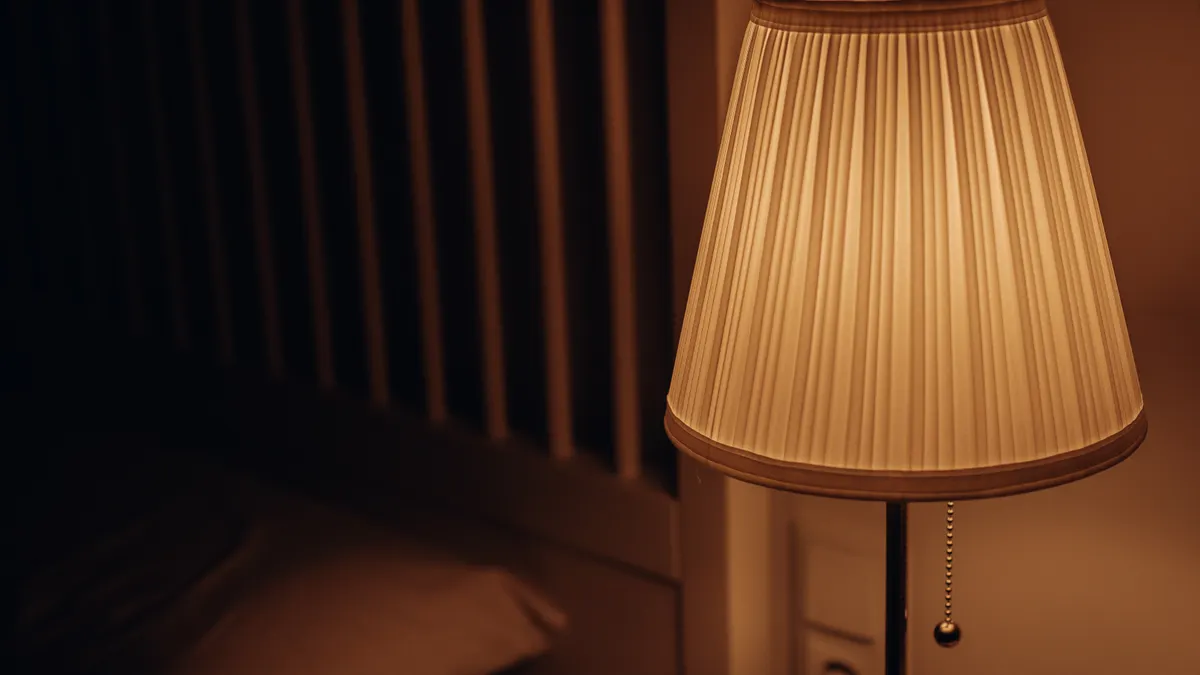
The pregnancy bathroom path should include a clear line from bed to bathroom with light, traction, and something to hold if balance wobbles. That means the route should stay open from the edge of the bed to the bathroom door, with a night light or bedside lamp, slippers with a stable sole, and no floor clutter. See the pregnancy sleep and bladder comfort hub for the broader sleep-and-wake-up context. For general balance and dizziness advice in pregnancy, the NHS dizziness guidance is a useful starting point.
The goal is not to build a special “pregnancy route.” The goal is to make the existing room layout less risky when you are half awake, moving slowly, and less steady than usual.
A good path is calm and simple. Nothing protrudes, nothing shines in your eyes, and nothing forces a sudden bend, twist, or reach.
How do you set up the path step by step?
You set it up by removing obstacles first, then adding light, grip, and support in that order. The steps below assume the route is already known and that the bathroom is reachable without stairs. If the route crosses stairs, the setup changes and needs extra care from a qualified professional.
- Walk the route in daylight. Trace the exact line from bed to bathroom and back, from the mattress edge to the bathroom threshold, and note any 20 cm step, tight corner, or uneven board. Verify that you can name every turn without guessing. A problem is any place where you have to sidestep around furniture or reach past a bin.
- Clear the floor edge to edge. Remove loose rugs, shoes, laundry, charging cords, baskets, and fan cords from the travel line, not just the middle of it. Verify that the floor is open for the full width of your natural walk. A problem is any object that can catch a toe in low light.
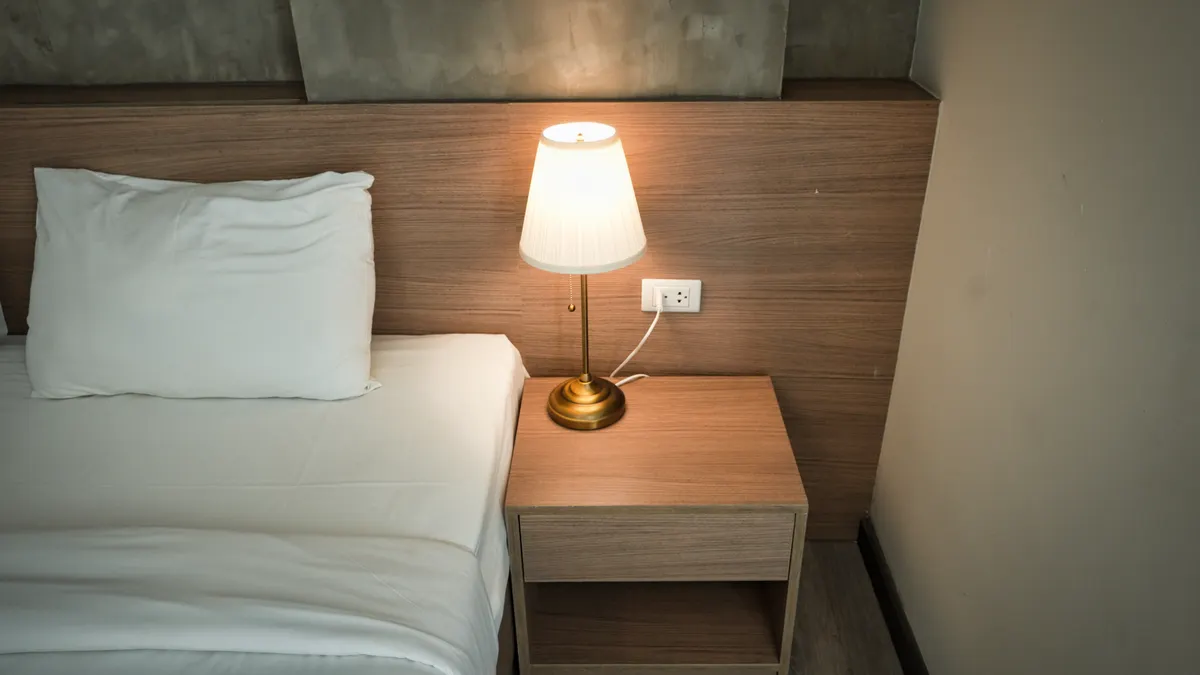
- Place a light where it turns on fast. Use a night light in the hall or bathroom, or a bedside lamp that can be switched on without crossing the room. Verify that the path is visible before the first step. A problem is glare that washes out the floor or a light that forces you to look straight at the bulb.
- Set out slippers with a firm sole. Keep them beside the bed with the opening facing your feet, not tucked under furniture. Verify that you can put them on without bending far or balancing on one foot for long. A problem is soft, floppy footwear that slides on tile or wood.
- Add a stable handhold where the route narrows. Use an existing wall, rail, or fixed bathroom surface only if it is solid enough to take weight. Verify that the handhold does not move, wobble, or require a strong pull. A problem is a towel bar, rolling cart, or door handle that shifts under load.
- Mark the bathroom threshold. Keep the doorway free and the floor edge visible so the change in surface is obvious. Verify that the transition from hall to bathroom does not hide a lip, mat edge, or wet patch. A problem is a dark doorway where the floor level changes without warning.
- Keep the route dry. Wipe up water near the sink, tub, or toilet right away, and keep bath mats flat. Verify that the mat does not curl at the corners. A problem is any slick spot, because one wet tile can undo all the other work.
- Test it in the dark you actually face. Turn on the chosen light, stand up slowly, and take the same route with the room lighting low, not fully bright. Verify that you can see the floor, the threshold, and the toilet without squinting. A problem is any spot that disappears until your foot is already there.
This is one place where the answer is mechanical, not mysterious. A clear route is safer because the body does less guessing and fewer sudden corrections. That matters more in pregnancy, when slower balance changes and a full bladder can make the walk feel less stable.
If you want a broader sleep-and-bladder overview, see the pregnancy sleep and bladder comfort hub.
Which floor hazards matter most?
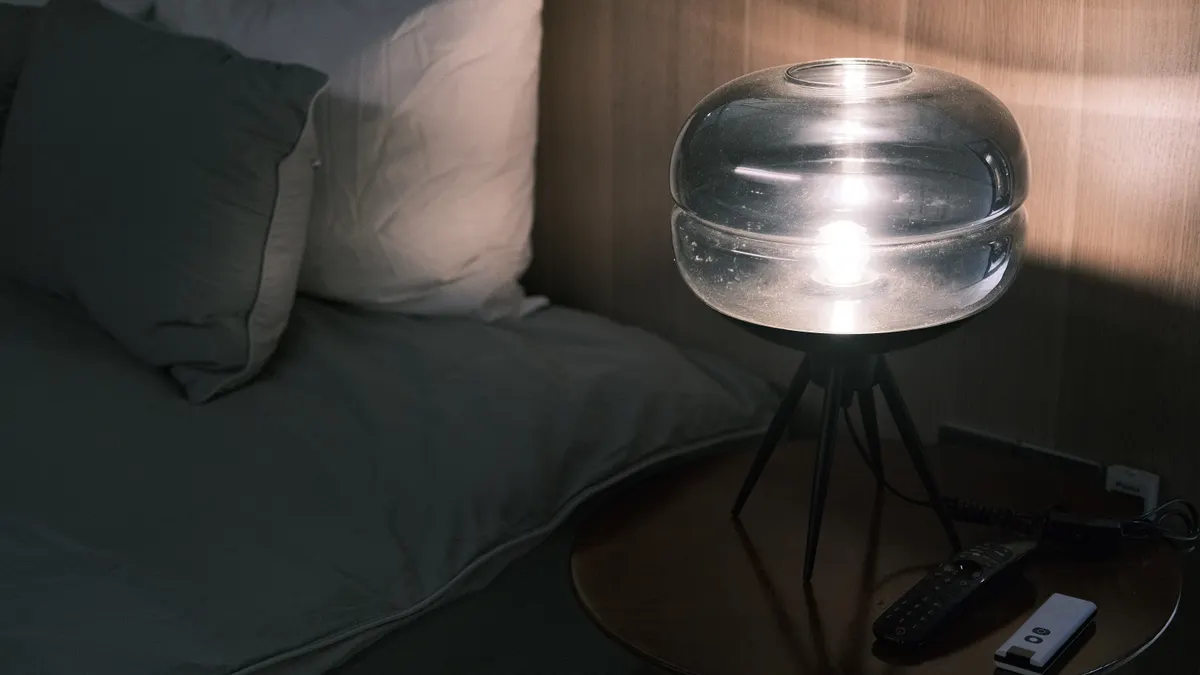
The biggest hazards are the ones that trip a foot or change footing without warning. Loose rugs, power cords, toys, laundry piles, pet bowls, and a bathroom mat with a curled corner are the usual offenders. A hallway that looks harmless in daylight can become a trap at 2 a.m. when the brain is slow and the light is weak.
The most common mistake is leaving “just one thing” in the path. One shoe, one basket, or one charger cable is enough. The fix is simple: if it lives on the floor at night, move it out of the route before bed.
Wet floors matter because they change grip, not because they look dramatic. A small splash near the sink can be worse than a larger dry clutter pile, especially on tile. Dry the spots you use most and keep mats flat, with no lifted edge at the doorway. The NHS falls advice gives the same basic message: clear, dry, stable surfaces reduce fall risk.
What kind of light works best?
A steady, low-glare light works best because it lets the eyes adjust without waking the whole room. A night light in the hallway or bathroom is usually easier on sleepy eyes than a bright overhead bulb. A bedside lamp can also help if it is easy to reach and does not shine directly into the face.
The useful test is simple: can the floor be seen without being blinded? If the answer is no, the light is too bright, too high, or aimed wrong. If the route is lit but the bathroom door frame still disappears, add light closer to the path rather than turning the whole room into daylight.
The trade-off is clear. Dim light is easier on sleep, but too little light can hide a rug edge or wet tile. Bright light shows hazards better, but it can make it hard to fall back asleep.
| Lighting option | Main benefit | Main drawback | Best use |
|---|---|---|---|
| Night light | Low glare, simple route light | May not show every floor detail | Hallway or bathroom doorway |
| Bedside lamp | Easy to switch on from bed | Can feel too bright if mis-aimed | Short route with no stairs |
| Overhead light | Shows the whole room | More likely to wake you fully | Only when the path is unclear |
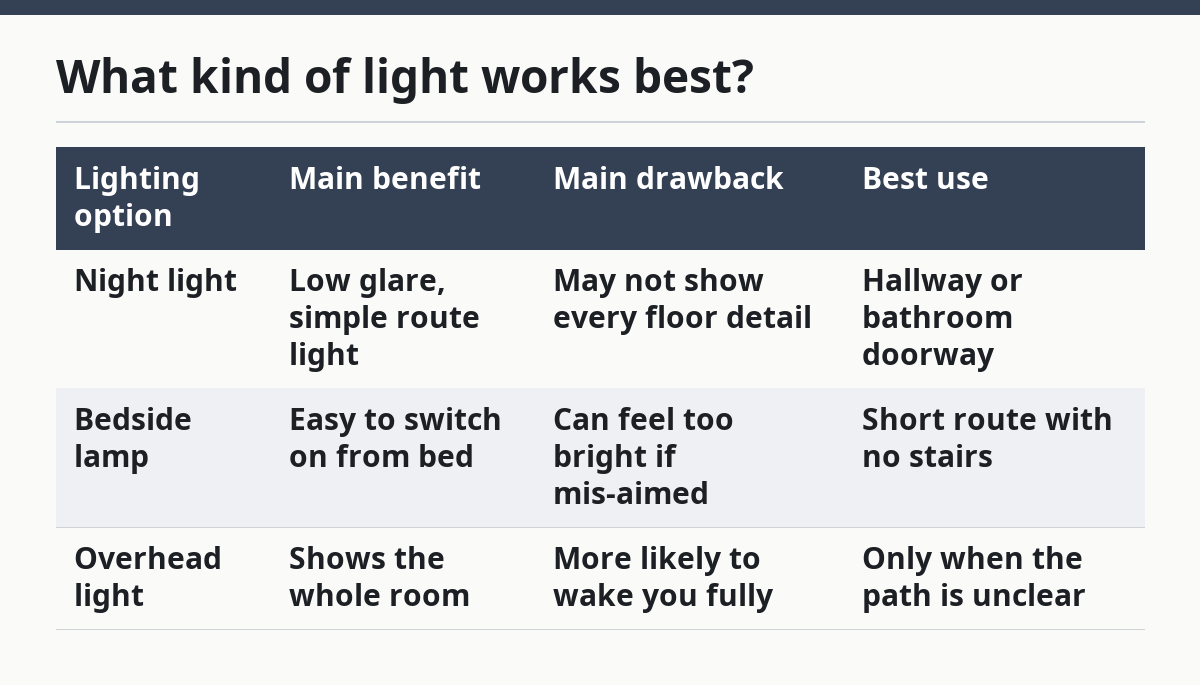
The right answer is the one that makes the floor visible without turning the trip into a full wake-up. That is why the lighting choice belongs in the path, not as a separate afterthought.
Where do slippers and handholds fit in?
Slippers and handholds fit in as the two supports that help a sleepy body stay steady. Slippers protect the feet from cold floors and small bumps, while a fixed handhold gives extra balance at corners, thresholds, and bathroom turns. Used together, they reduce the need to grip with the toes or make fast balance corrections.
Choose slippers with a stable sole rather than something soft and floppy. The point is traction and predictable footing, not warmth alone. If the slipper folds under the heel, slips on the floor, or takes two hands to put on, it is not a good fit for a night bathroom path.
For handholds, use only something fixed and solid. A wall is better than a movable object, and a stable built-in edge is better than a towel bar. If the support shifts, squeaks, or asks the body to pull instead of steady itself, it is the wrong tool.
When should this setup change?
This setup should change when the route itself is the problem, not just the lighting. In some homes, the path is too narrow, too cluttered, or too far from the bathroom door to fix with a lamp and slippers alone. A standard path is not the right answer for every bedroom layout.
Stairs are part of the route: stairs add a fall risk that a night light alone does not remove — keep the route as simple as possible and ask a qualified professional about safer changes for your home.
The floor is wet often: repeated moisture means the bathroom surface is slipping into the path — fix the source of the water and use better drying habits before relying on the route.
You feel dizzy, faint, or unsteady: this changes the risk from a simple trip to a possible fall — do not push through the route without speaking to a qualified professional about what is causing it.
You need to carry items by hand: carrying wipes, clothes, or a phone changes balance — reduce what you carry so both hands stay free if the route is already risky.
The hallway stays too dark even with a night light: the lighting setup is failing — change the light position or type instead of getting used to the darkness.
You have already tripped once on the same route: the path has a design flaw — remove the cause, because repeated near-misses are a warning, not bad luck.
A good setup should make the trip feel ordinary. If it still feels tense, the route needs more change than a quick tidy can provide. That is the point where local home layout, balance, and symptoms all matter together.
What mistakes cause most falls?
The most common mistake is using a bright light in the wrong place. That creates glare, shadows, or both, and the floor still hides the one thing that matters: the next step. A better choice is a low, steady light aimed at the route, not the eyes.
Another mistake is leaving “temporary” clutter in the hallway for one night. A stroller, laundry basket, or opened bag can turn into a toe catcher before morning. The fix is to clear the route as part of the bedtime routine, not after the fact.
A third mistake is trusting soft footwear. Socks alone can slide, and thin slippers can twist under the foot on wood or tile. A stable sole is the safer choice because it gives a more predictable grip.
A fourth mistake is using objects that are not meant to hold weight. A chair back, towel rack, or rolling cart may seem handy in the dark, but if it moves, it fails. A fixed wall or other solid support is the right alternative.
A fifth mistake is ignoring wet spots because they seem small. A puddle near the sink or tub does not have to be large to cause trouble. Dry it, then check the mat edges and doorway again before bed.
What should you keep on the path to the bathroom when pregnant?
You should keep the path free, not stocked, and that is usually the safer answer for most people. The route is for walking, so it should hold light, grip, and space rather than extra items. The main things that belong there are the night light, a stable walking surface, and any fixed handhold built into the home.
If you are thinking in terms of a bedside setup, that is a different page in this site’s cluster. This page is about the bedroom-to-bathroom path itself, which means the floor, the doorway, the hallway, and the bathroom entrance. The fewer loose objects in that line, the better the chance of a steady trip.
How can I make nighttime bathroom trips safer in pregnancy?
Make the route predictable, bright enough, and free of surprises. Keep a night light on the path, wear slippers with traction, and remove anything that can catch a toe or change footing. If the walk still feels risky, change the route or ask a qualified professional about your own situation.
What should you keep on the path to the bathroom when pregnant?
Keep the path clear and simple, with no loose rugs, cords, laundry, or small furniture in the way. A night light, a stable floor, and a fixed handhold are the useful parts. If a thing does not help you walk safely, it should not be on the route.
How do I avoid tripping at night in pregnancy?
Avoid tripping by removing floor hazards, using low-glare light, and wearing slippers that stay flat on the floor. Check the route in the same darkness you will face at night, because daylight hides problems. If you have already tripped, or if dizziness is part of the picture, the setup needs more than a quick tidy.
Drafted with AI; not yet reviewed by a person.
