Last updated: August 10, 2026
Quick Answer: Pregnancy pillows and support gear can make side sleeping, sitting, and getting out of bed easier during pregnancy, and many people can improve comfort in 1 to 3 nights with the right setup. Honestly, I’d treat them as comfort tools first, not medical treatment. And when you have pain, numbness, swelling, shortness of breath, bleeding, contractions, or a high-risk pregnancy, speak with a qualified professional about your own symptoms. See the NHS on sleeping in pregnancy and the American College of Obstetricians and Gynecologists (ACOG) on pregnancy discomforts for general pregnancy-positioning advice.
Key Facts / Key Takeaways
– Pregnancy pillows and support gear are comfort aids, not a substitute for medical care.
– A small, targeted setup often works better than a large full-body pillow.
– Many people notice a difference in 1 to 3 nights, but some need a week of adjustments.
– Side-sleeping support, lumbar support, and a modest wedge are the most common tools.
– Red-flag symptoms like bleeding, fluid leakage, sudden one-sided pain, or reduced fetal movement need clinical advice, not more pillows.
– This pregnancy pillows support gear — complete guide focuses on positioning help, not diagnosis or treatment.
The real question most readers have is simple: what support gear is actually worth using, how do you use it without making things worse, and when does discomfort mean you need medical advice instead of a better pillow?
Who This Applies To — and Who Should See a Professional Instead
This pregnancy pillows support gear — complete guide is for pregnant people trying to sleep, sit, and move more comfortably with ordinary pregnancy discomfort: hip pressure, lower-back strain, belly heaviness, and that awkward feeling that your body no longer fits your usual mattress, chair, or couch. It also fits when you’re shopping for a pillow and want to avoid buying a giant foam mountain that looks useful but gets in the way. Harsh, but true.
What this guide does not cover is medical treatment for pain, swelling, or neurologic symptoms. Severe, sudden, one-sided, or headache-linked discomfort needs more than cushions; the same goes for vision changes, bleeding, fluid leakage, contractions, fever, or reduced fetal movement. Stop the DIY route and contact a qualified clinician. For clinical warning signs in pregnancy, ACOG and the NHS both recommend medical review when symptoms are concerning.
A good candidate for pregnancy support gear usually has a few things in place first:
– you can lie on your side comfortably enough to rest, at least part of the night;
– your mattress, chair, or car seat can accept added support without becoming unstable;
– you want positioning help more than a diagnosis.
I’d be more cautious when you have:
– a history of pelvic girdle pain, sciatica, significant reflux, or sleep apnea;
– multiple gestation, placental issues, preeclampsia concerns, or any pregnancy complication already being monitored;
– persistent numbness, weakness, or pain that shoots down the leg.
That matters because pillows can improve positioning, but they can also hide a problem, make pressure points worse, or give a false sense that “it’s just pregnancy” when it isn’t. Support should ease strain. Not blur the signal.
The Step-by-Step Process for Pregnancy Pillows and Support Gear — The Complete Guide (Done Correctly)
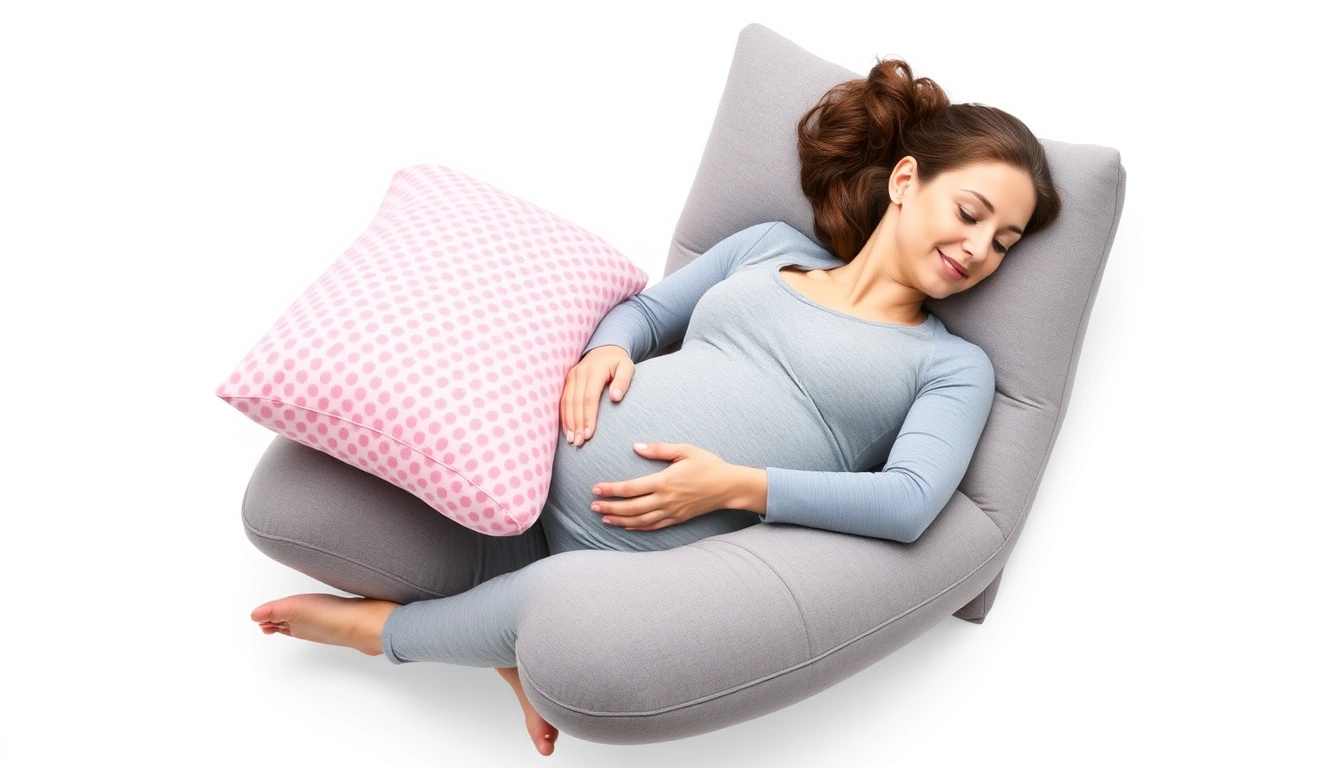
Start with the body problem, then choose the smallest amount of support that solves it. I would not begin by buying the biggest U-shaped pillow on the market. I’d ask a blunt question instead: what hurts, when, and in what position?
- Map the main discomfort before you buy anything. Lie in your usual sleep position for 5–10 minutes and notice whether the problem is belly weight, hip pressure, low-back ache, rib strain, reflux, or knee-to-knee collapse. Check which side hurts and whether the pain eases when you change position. Sharp, one-sided, numb, or increasing pain is a warning sign.
- Start with side-sleeping support, not a full-body setup. Use one firm pillow between the knees and ankles, with the top leg supported so the pelvis stays level. Aim for the knees and ankles to be roughly aligned instead of letting the top leg drop forward. Check whether your lower back feels less twisted. If your hip or groin pain increases, the pillow may be too thick or too soft.
- Support the abdomen only enough to reduce tugging. Place a small wedge or folded pillow under the bump, not directly pressing upward into the belly. The goal is gentle lift, not force. Make sure that your breathing stays easy and your ribs are not pushed upward. Pressure under the ribs, more reflux, or a squeezed feeling means the setup is off.
- Keep the spine neutral with back support while sitting. When seated, use a lumbar roll or small cushion in the small of the back, with feet flat on the floor or a footrest. The lumbar support should fill the gap without arching the back hard. Make sure your pelvis is not sliding forward. If you feel increased back pinching, the support is too large or too high.
- Use a wedge only for targeted positions, not all-night stacking. A wedge is a triangular support that elevates one area. Place it under the torso to ease reflux or under one hip if directed by comfort needs, but keep the angle modest and the surface stable. Make sure you can roll a little without getting stuck. Sliding, skin pressure, or worse neck strain from propping too steeply are the problems here.
- Adjust for turning, not just lying still. Place a long body pillow or one long pillow behind your back so you can roll partway without falling flat onto your back. Make sure you can change sides without using your abdominal muscles hard. If the pillow traps you or forces your shoulder forward, it is too bulky.
- Check pressure points after 15–20 minutes. After settling in, scan for pressure at the shoulders, hips, knees, ankles, elbows, and outer belly. Reposition until pressure is spread across broad surfaces rather than one bony spot. Tingling, numbness, marked heat, or skin pain where the pillow rests is a problem.
- Reassess after one night before adding more gear. If the first setup helps a little, keep it simple for several nights before buying extra pieces such as a knee pillow, wedge, or chair cushion. Check whether the change is actually improving sleep quality or daytime comfort. If you are stacking more support every night and still feel worse, the issue may be the pillow choice or a medical problem rather than a lack of gear.
The same logic applies to sitting and driving. A small lumbar support often beats a giant cushion. A footrest can reduce pelvic tilt. A seat wedge can help someone who slides forward in a chair, but it can also increase pressure on the tailbone if it is too steep. So I’d start with one change at a time and see whether comfort actually improves. No prize for overbuilding it.
When you are buying gear, think in categories:
– body pillow for full-length side support;
– wedge for localized lift or reflux positioning;
– knee pillow for hip alignment;
– lumbar support for sitting;
– seat cushion for tailbone pressure or height adjustment;
– footrest for desk seating.
None of these replaces medical care. They are comfort aids, and comfort aids work best when they are matched to the problem. For a broader overview of sleep positioning in pregnancy, see the NHS guidance on getting comfortable at night.
Critical Checkpoints: What to Verify Before Moving Forward
Before you commit to a pillow or support system, I’d check four things: fit, firmness, temperature, and movement. The right support gear fades into the background; the wrong one keeps making itself known all night.
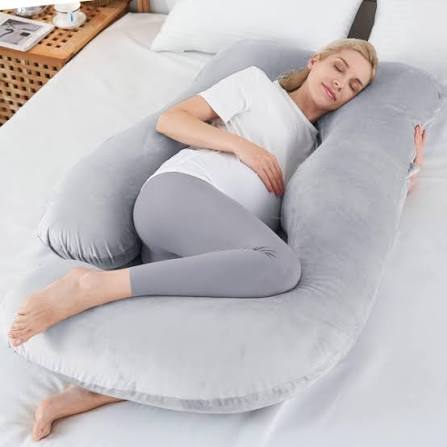
First, fit. A pregnancy pillow should match your body size and sleep space. A U-shaped pillow may be fine if you sleep alone in a large bed. If you share a bed, travel often, or sleep in a smaller space, a full-body pillow can take over the mattress. That is not a medical problem, but it is a real trade-off. More support usually means less maneuverability. For that reason, a smaller setup often works better in a 54-inch or 60-inch bed than a full U-shape.
Second, firmness. A pillow that is too soft collapses and fails to hold alignment. A pillow that is too firm can push the knees apart, tip the pelvis, or create shoulder strain. I’d look for enough loft to hold shape under body weight, but not so much that it forces your joints into a new angle. For many users, a medium-firm fill is easier to adjust than dense foam alone.
Third, heat. Many pregnant people sleep warmer than usual. Dense foam, large covers, and multiple layers can trap heat and leave you sweaty and restless. If heat already wakes you up, a smaller wedge or a breathable cover may be more useful than an oversized pillow. Even a little extra warmth can make sleep feel miserable. Sneaky, really.
Fourth, movement. You should still be able to roll, adjust, and get out of bed without feeling pinned. Support that prevents movement may seem helpful at first, but it can cause stiffness, shoulder compression, or frustration by morning. If you cannot turn without a full-body effort, the setup is too restrictive.
A few technical terms matter here. “Loft” means the pillow’s height when it is supporting weight. “Neutral alignment” means the head, ribs, pelvis, and knees are not being twisted out of line. “Pressure distribution” means spreading load across a wider area so one point does not take all the force.
What I would verify in practical terms:
– your neck stays in line with your spine, not bent sharply upward or downward;
– your hips do not rotate forward more on one side;
– your knees are supported without splaying uncomfortably wide;
– your breathing stays easy;
– your hands and feet do not tingle after you settle in.
If any of those fail, the gear is not doing its job. Change the setup before assuming you need a more expensive product. For sleep discomfort that does not respond to simple support, ACOG recommends discussing symptoms with a clinician.
Warning Signs: When to Stop and Get Help
Support gear is for comfort, not for pushing through symptoms that should be evaluated. When a pregnancy pillow makes symptoms worse, that is useful information, not a reason to keep forcing it.
Severe or sudden one-sided pain: This may reflect more than ordinary positional strain — stop the setup and contact a qualified professional promptly.
Vaginal bleeding or fluid leakage: These are not pillow problems and should not be managed with support gear — seek urgent medical advice.
Regular contractions, pelvic pressure, or cramping that builds with time: This may suggest labor activity or another obstetric issue — do not rely on positioning alone.
Shortness of breath or chest pain: This can have causes that need medical assessment — stop lying flat or reclined and get urgent help.
New swelling with headache, vision changes, or upper abdominal pain: These can be concerning pregnancy symptoms — contact a clinician without delay.
Numbness, weakness, or pain radiating down a leg: This can suggest nerve compression or another issue that deserves evaluation — do not keep adding cushions over it.
Reduced fetal movement: If you notice a change from your baby’s usual pattern, this is not something to “sleep off” with a new pillow — seek guidance from your maternity team.
A pillow can reveal a problem in a useful way. For example, when one sleeping position suddenly becomes intolerable, that matters. But the pillow is not always the whole story. It may just be exposing pain, swelling, reflux, or a circulatory issue that was already there.
I’d also stop using a wedge or propped setup when you feel dizzy, nauseated, faint, or unusually breathless. Some positions are simply wrong for some bodies, especially as pregnancy progresses. Comfort should not come with reduced safety awareness.
The Most Common Mistakes (and Their Real Consequences)
The biggest mistake I see in advice about pregnancy support gear is the assumption that more padding equals better support. It often does not.
-
Buying the largest pillow first.
Consequence: the pillow can crowd the bed, overheat you, and make turning harder.
Better alternative: start with one targeted support piece for the symptom you actually have. -
Using a pillow that is too thick between the knees.
Consequence: the top leg is pushed outward, which can strain the hip and twist the pelvis.
Better alternative: choose a thinner or adjustable pillow that keeps the knees level without forcing them apart. -
Propping the upper body too steeply for reflux or breathing comfort.
Consequence: neck strain, sliding down the bed, and more pressure on the lower back.
Better alternative: use a modest wedge or elevate the torso gradually with stable support rather than stacking unstable pillows. -
Ignoring sitting support because sleep feels like the main issue.
Consequence: daytime back pain and pelvic fatigue can keep building, making nights worse.
Better alternative: add lumbar support and foot positioning during the day so the body is not irritated for hours before bed. -
Treating pain as a normal thing to outlast.
Consequence: a symptom that deserved evaluation can be delayed, and sleep can degrade further.
Better alternative: when the pain is new, severe, one-sided, or associated with other symptoms, talk to a qualified professional. -
Assuming every body pillow works the same.
Consequence: a pillow that is perfect for one person may be too hot, too stiff, or too bulky for another.
Better alternative: match the gear to your body size, mattress, and sleeping style.
The honest trade-off here is that support gear can improve comfort without solving the underlying reason you hurt. That is still worthwhile, but it is not a cure. When a pillow helps you sleep, great. When it merely hides worsening symptoms, that’s a different story.
Edge Cases and Modified Approaches
Some pregnancies need a more careful setup, and some bodies need a less standard one.
When you have pelvic girdle pain, I’d usually reduce asymmetry. That means keeping the knees closer together, using a thinner pillow between the legs, and avoiding positions that pull one knee far forward. The point is to limit shear force across the pelvis. When a wide pillow worsens pain, a smaller one is the right adjustment.
For reflux, a small wedge under the upper torso may help positioning more than a full-body pillow. I’d avoid large stacks that bend the neck sharply. The better setup keeps the chest elevated modestly and the head aligned. When symptoms persist despite position changes, that needs professional guidance.
If you have sciatica-like pain — meaning pain that runs from the back into the buttock or leg — I’d be careful with hard wedges and overly firm knee pillows. Too much pressure on the pelvis can aggravate symptoms. A softer, smaller support and a side-lying position with the spine long are usually easier to tolerate, but persistent nerve symptoms should be evaluated.
When you are short, tall, or plus-size, standard body pillows may be mis-sized. A shorter person may do better with separate pieces instead of one long pillow that forces the shoulder upward. A taller person may need extra length from shoulder to ankle. Body shape changes where the pillow should sit; one size rarely fits all.
When you sleep with a partner, try not to let the pillow solve your problem by taking half the bed. A narrower setup, or a wedge plus a small knee pillow, may be more practical than a giant U-shape. Bed-sharing comfort matters because a setup that your body likes but your life cannot sustain will not last.
When you use a recliner, couch, or adjustable bed, the same principles still apply. Keep the neck neutral, avoid pressure behind the knees that restricts circulation, and make sure the pelvis is not tilted so far that the low back arches hard.
The key edge case is this: when positional changes only partly help, that is still useful, but do not keep escalating the gear without asking why the symptom is there.
What to Expect: Realistic Timeline and Outcomes
A pregnancy pillow usually helps fastest with positional discomfort. Some people feel a difference the first night; others need several nights of small adjustments. When the setup is right, the most common changes are less tossing and turning, fewer hip pressure points, and easier side-sleeping. Sitting support often feels more immediate because the spine and pelvis settle more quickly.
I would expect gradual improvement, not perfection. A pillow may reduce strain but still leave you waking to turn, especially later in pregnancy. It may help one symptom and do little for another. For example, a knee pillow may ease hip discomfort but not reflux. A wedge may help reflux but not lower-back ache. That is normal.
A realistic early timeline looks like this:
– the first use tells you whether the basic shape is promising;
– the next few nights reveal whether the loft and firmness are wrong;
– after a week, you can usually tell whether the setup is worth keeping, modifying, or replacing.
What counts as a good outcome? Not “I never notice my body again.” A better goal is that you fall asleep more easily, wake up less often from pressure points, and change positions with less effort. When that happens, the gear is doing its job.
What counts as a poor outcome? Worsening pain, more heat, new numbness, more reflux, or a setup that makes you feel trapped. Those are signs to adjust or stop. Persistent pain or any red-flag symptom should be discussed with a qualified professional rather than managed endlessly with more cushions.
My practical view is simple: pregnancy pillows and support gear are most useful when they solve one specific problem without creating two new ones. The best support gear is the kind you stop thinking about after you use it. When you still notice it every hour, it is probably the wrong shape, the wrong size, or the wrong fix for the problem in front of you.