
Last updated: November 19, 2026
Key Takeaways
- Repeated night waking with shaky, sweaty, or nauseated feelings can point to low blood sugar during pregnancy.
- Overnight fasting can leave a pregnant body short on usable glucose.
- A repeating pattern is more useful than one random bad night.
- Tell a clinician when it happens, what it feels like, and whether food helps.
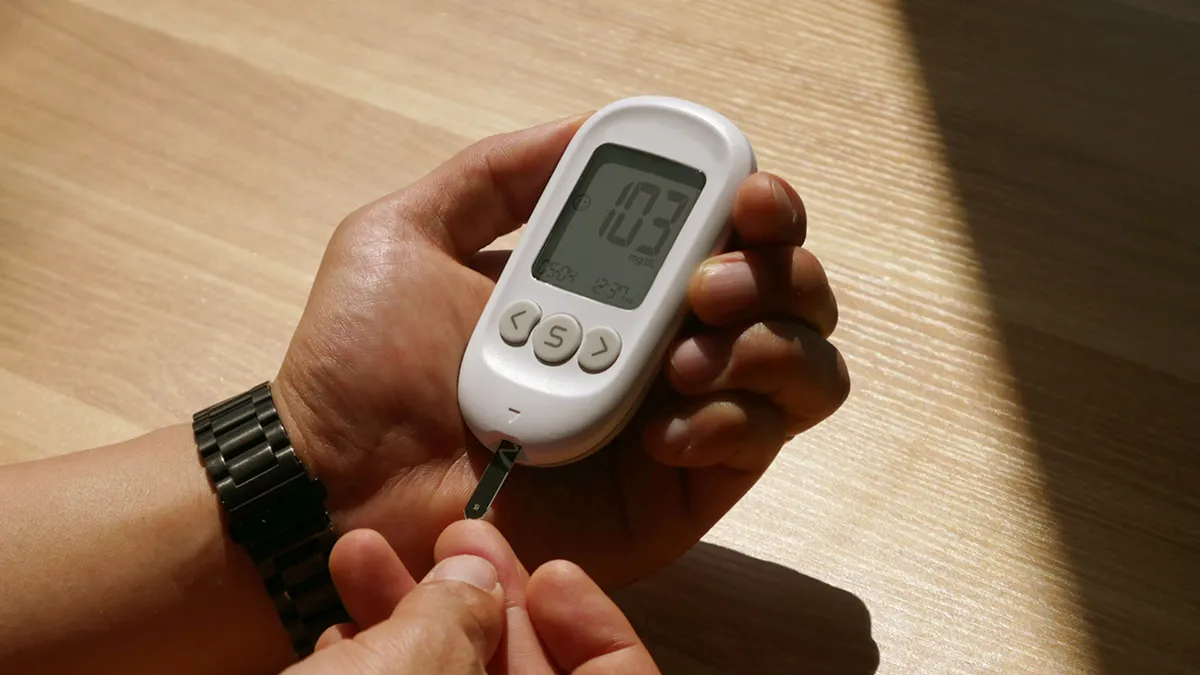
Night waking, shakiness, sweating, or nausea during pregnancy can sometimes fit low blood sugar during pregnancy, especially if the symptoms ease after eating. Because pregnancy changes how the body uses glucose, it is worth speaking with a qualified professional about your own situation rather than assuming the cause is just “bad sleep.” For when pregnancy sleep symptoms could be a sign of low blood sugar at night, the safest move is to get advice if the pattern repeats.
Low blood sugar is not the most common explanation for every 2 a.m. wake-up, but it is a real one—and it looks different from reflux, restless legs, or ordinary insomnia. If symptoms keep returning, consult a prenatal professional or diabetes clinician rather than trying to judge from one night.
Who this applies to, and what I am assuming
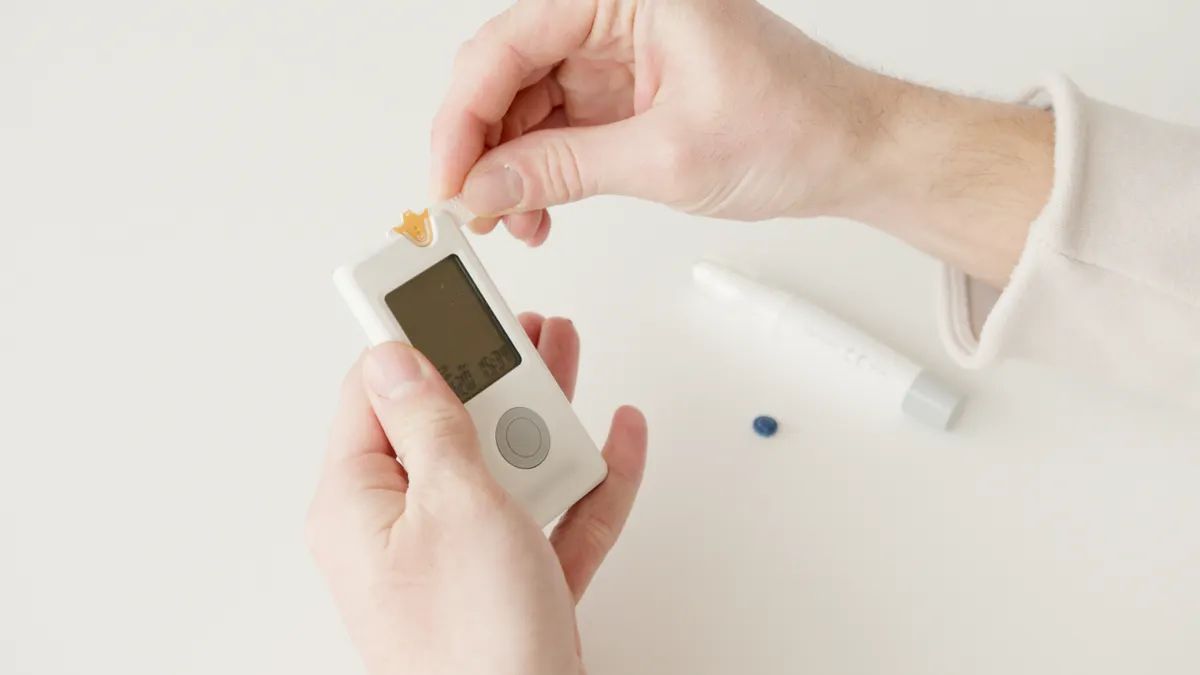
This applies to someone who is pregnant and waking at night with symptoms such as shakiness, sweating, hunger, nausea, or a jittery feeling, and who wants to know if blood sugar could be part of it. I am assuming the reader is not trying to diagnose herself from a single bad night, but is noticing a pattern of symptoms over several nights or weeks, and should ask a qualified professional if the pattern continues.
I am also assuming the reader has access to prenatal care and can mention symptoms at a routine visit. That matters because low glucose at night is usually a clue to something else—meal timing, long gaps without food, vomiting, diabetes treatment, or another metabolic issue—not a sleep problem by itself, so a clinician should help sort it out. On PubMed, 565 human records matched this query for 2016–2026; the 100 most relevant were read and every median, range, and share below is computed across those records, using PubMed (NCBI), computed on 2026-10-29. ClinicalTrials.gov listed 16 registered trials for this term; the first 16 were read and the summary below is computed across them.
A few situations need professional input rather than guesswork: if the person has diabetes, takes insulin or another glucose-lowering medicine, has repeated vomiting, has fainting, or is having symptoms that look more severe than simple hunger. Those are not “wait and see” cases, and a clinician should review them promptly. This article is also not the right place for emergency symptoms, anemia, insomnia, or restless legs; those need their own guidance.
If you want the broader context, the hub page on [Pregnancy sleep symptoms and health signals] can sit alongside this one without replacing a prenatal discussion. A related guide on [night sweats in pregnancy] may also help sort out overlapping symptoms.
When pregnancy sleep symptoms could be a sign of low blood sugar at night
Low blood sugar can wake a pregnant person from sleep when the body runs short on usable glucose during a long overnight fast. In plain language: the brain and muscles are asking for fuel, and the body answers with shakiness, sweating, nausea, or a sudden need to eat.
The pattern that makes low blood sugar more plausible is not “poor sleep” alone. It is sleep interruption plus physical symptoms that feel metabolic rather than psychological. The classic cluster is waking with shaking hands, a racing or uncomfortable body feeling, cold sweats, nausea, lightheadedness, or intense hunger. Some people notice the symptoms ease after food or a drink that contains carbohydrate, which is one reason clinicians pay attention to the timing of symptoms.
Pregnancy can make this more noticeable because the body’s glucose handling changes across trimesters. That does not mean every pregnant person with night sweats has hypoglycemia, and it does not mean low blood sugar explains every awakening. It does mean the symptom pattern deserves attention, especially if it repeats. Studies suggest that pregnancy-related glucose changes and overnight fasting can make some people more vulnerable to symptomatic lows, but the exact pattern varies by individual and by whether diabetes is already present.
The figure to keep in mind is not a magic threshold from this article; it is the symptom pattern. If the wake-up is mainly from reflux, the person usually notices burning or sour fluid. If it is restless legs, the discomfort is more about urge-to-move and leg sensations. If it is low blood sugar, the body often feels shaky, sweaty, hungry, and a little “wrong” in a way that is hard to ignore.
How to think through the pattern without guessing
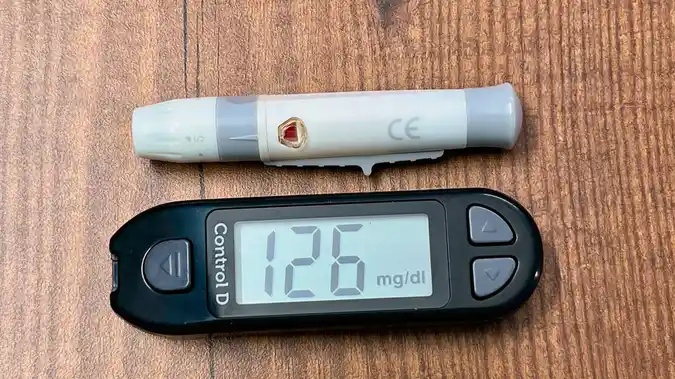
Low blood sugar is more likely when the night symptoms follow a specific pattern rather than appearing randomly. A useful way to think about it is to ask: what happened before bed, what woke the person up, and what changed after eating?
- Look at the timing of the wake-up. Note whether symptoms appear after 4 to 8 hours without food, which is a common overnight fasting window. Verify whether the wake-up happens near the same hour on several nights; a one-off event is less informative. A problem sign is that the symptoms appear only after a very long stretch without eating or after an unusually small dinner.
- Check the symptom cluster. Pay attention to shakiness, sweating, nausea, hunger, and lightheadedness together, not one symptom alone. Verify whether the body feels jittery or weak rather than simply “awake.” A problem sign is having only one vague symptom without the metabolic pattern that points toward glucose.
- Notice whether food changes the episode. If symptoms settle after eating, that is one of the strongest clues that low blood sugar may be involved. Verify whether the improvement happens within a short period after food or drink. A problem sign is no change after eating, which makes another cause more likely.
- Review the evening meal pattern. Ask whether dinner was early, small, or low in carbohydrate, or whether there was vomiting, poor appetite, or a skipped snack. Verify whether the night symptoms started after an evening of reduced intake. A problem sign is repeated nights after very light dinners or long gaps between meals.
- Think about diabetes treatment if it applies. If the person uses insulin or another glucose-lowering medicine, nighttime lows become more relevant because treatment can lower blood sugar too far. Verify whether symptoms line up with medication timing or dose changes, and ask a clinician to review them. A problem sign is any episode with confusion, severe weakness, or difficulty waking.
- Keep the terms straight. Blood sugar and glucose are the same issue here: glucose is the fuel measured in blood. Verify whether the person is talking about hunger or a true low-glucose feeling, because those are not always identical. A problem sign is assuming every nighttime hunger pang is harmless.
- Compare the episode with sleep-only causes. Reflux usually brings burning or regurgitation; restless legs bring an urge to move; insomnia brings wakefulness without the same body symptoms. Verify whether the episode includes sweating or shakiness, which are more suggestive of a blood sugar issue. A problem sign is treating all wake-ups as the same problem.
A practical detail matters here: studies in the PubMed sample were mostly reviews rather than trials, with 29 of 100 tagged Review, 6 tagged Systematic Review, 3 tagged Meta-Analysis, and only 1 tagged Randomized Controlled Trial. That means the topic is understood largely through synthesis and clinical observation, not through a large trial base. The median publication year in the sample read was 2021, and the median study-duration figure reported in the abstracts was 26 weeks; none of that replaces a personal assessment, but it explains why symptom patterns matter so much.
What to mention at prenatal care, and what to leave out
Nighttime shakiness is worth mentioning at prenatal care if it happens more than once, if it comes with sweating or nausea, or if it seems tied to not eating for several hours. Mention the pattern plainly: when it happens, what it feels like, and whether food helps. That is usually more useful than saying “I sleep badly,” because a clinician can separate a likely glucose issue from a general sleep complaint.
A short, concrete description works best: “I wake up shaky and sweaty around 2 a.m., and I feel better after eating.” That sentence is far more informative than a vague report of poor sleep. If the person has diabetes, the number of nighttime episodes, medication timing, and whether symptoms happen after exercise or vomiting are especially relevant. If the person does not have diabetes, the same pattern still matters because pregnancy can change how hunger and glucose behave overnight.
Leave out guesses about diagnosis. Saying “I think it is low blood sugar” is less useful than saying what actually happens in the body. Likewise, do not dismiss the symptoms as normal pregnancy sleep unless a qualified professional has already weighed in. Pregnancy can bring ordinary sleep disruption, but sweating and nausea that repeatedly wake someone from sleep are worth a better explanation than “just pregnancy.”
In the broader picture, this is one of the health signals that belongs with other pregnancy sleep symptoms, not above them. It is not a substitute for care, and it is not a diagnosis. It is a clue.
When not to treat it like ordinary sleep trouble
Night wakings with shakiness should not be treated as ordinary sleep trouble when the pattern suggests glucose swings, when diabetes is involved, or when symptoms are escalating. In those cases, the right move is qualified medical advice, not more sleep hygiene.
Symptoms happen repeatedly after long gaps without food: That pattern suggests overnight fasting may be part of the problem — Bring it up at prenatal care soon, especially if it happens several nights in a row.
There is insulin or another glucose-lowering medicine involved: Medication can make nighttime lows more likely — Contact the prescribing clinician promptly, because timing and dose decisions are individualized.
Waking includes confusion, faintness, or trouble staying awake: That is more than a mild hunger cue — Seek urgent medical help, because the episode may be more than simple low blood sugar.
Vomiting or poor intake has been going on for hours or days: The body may be running low on fuel and fluids — Tell a qualified professional the same day, because dehydration and low glucose can overlap.
The symptom is not relieved by eating: That makes low blood sugar less convincing — Ask about other causes such as reflux, anemia, anxiety, or sleep disorders through prenatal care.
There is a known history of diabetes, gestational diabetes, or a glucose problem in a prior pregnancy: The threshold for asking about nighttime symptoms should be lower — Discuss the pattern rather than waiting for it to become severe.
This is the part that a generic article often gets wrong: it turns every night wake-up into a blood sugar story. That is too broad. Low blood sugar is one plausible explanation, not the explanation for every pregnant sleeper.
The mistakes people make, and why they matter
The biggest mistake is assuming that all pregnancy night waking is insomnia. That can delay a useful discussion about glucose-related symptoms, especially when shakiness and sweating are the real clues. The better alternative is to separate “I am awake” from “my body feels like this.”
A second mistake is eating only after symptoms become severe, then ignoring the pattern. That may leave the underlying issue unspoken at prenatal care. The better alternative is to notice the frequency, the timing, and whether symptoms show up after a 6- to 8-hour fast.
A third mistake is confusing hunger alone with low blood sugar. Pregnancy can cause strong appetite swings without true hypoglycemia. The better alternative is to look for the full cluster: shakiness, sweating, nausea, hunger, and a clear change after eating.
A fourth mistake is assuming the same cause applies in every trimester. Glucose needs and meal tolerance can shift over pregnancy, and what happens at 10 weeks may not match what happens at 32 weeks. The better alternative is to track the pattern as pregnancy changes, not as if it were fixed.
A fifth mistake is waiting for a single dramatic event before mentioning it. A mild but repeated 2 a.m. pattern still matters. The correct alternative is to mention recurring symptoms during prenatal care even if they never become an emergency.
What changes the picture
Nighttime symptoms need a different read when certain details are present. If the person has diabetes, uses insulin, or has had gestational diabetes before, the bar for thinking about low blood sugar is lower. If nausea or vomiting is part of the picture, the chance of not taking in enough fuel rises. If dinner is early and bedtime is late, a long overnight fast may leave less reserve.
There are also cases where the standard “eat and see” idea is too simple. If the person has recurrent symptoms but normal appetite, normal meals, and no relief after food, another cause may be more likely. If the wake-ups are dominated by heartburn, leg discomfort, or inability to fall asleep, those are different problems and need different conversations. Low blood sugar is one possibility, not a universal answer.
The research base reflects that complexity. Of the 16 ClinicalTrials.gov records identified for this term, 6 are completed, 4 are unknown, 3 are recruiting, and 2 are enrolling by invitation; 13 of 16 are at Na and 1 of 16 is at Phase 3, with a median planned enrolment of 108 participants. That does not give a neat clinical script. It tells me the topic is still being worked through across different study designs and populations.
The short answer a pregnant person can use
Low blood sugar at night can wake a pregnant person up with shakiness, sweating, nausea, or hunger, especially if the symptoms improve after eating. The pattern matters more than any single symptom, and the right next step is to mention it at prenatal care if it repeats.
That answer is not for everyone. It is less relevant if the symptoms never change with food, if they are clearly tied to reflux or leg discomfort, or if they are severe enough to raise safety concerns. In those cases, a qualified professional needs to sort out what is happening.
FAQ
Can low blood sugar wake you up at night in pregnancy?
Yes, it can. A nighttime drop in glucose may cause a person to wake with shakiness, sweating, hunger, nausea, or a general uneasy feeling. If the pattern repeats, it is worth discussing at prenatal care rather than assuming it is only poor sleep.
What does low blood sugar feel like while pregnant?
It often feels like a sudden body-wide alert, not just being hungry. Shakiness, cold sweats, nausea, lightheadedness, and a strong urge to eat are common clues, though the pattern varies by person. If eating seems to ease it, that detail is especially helpful to mention to a clinician.
Drafted with AI; not yet reviewed by a person.
