

Last updated: November 19, 2026
Key Takeaways
- Pregnancy can trigger sweaty nights by changing body heat, cooling, and sleep.
- Safe cooling usually means less trapped heat, better airflow, and easy-to-change layers.
- Light, breathable bedding often helps; heavy, heat-holding bedding often worsens sweating.
- Seek medical advice if sweating comes with fever, infection signs, dehydration, or other warning symptoms.
Night sweats during pregnancy are common, and the topic here is Night sweats during pregnancy: why they happen and how to cool down safely. They are usually tied to hormonal shifts, a higher baseline body temperature, and the way sleep changes as pregnancy progresses. A reader with this symptom should also tell a qualified clinician about their own situation, because sweating that seems “normal” can sometimes overlap with fever, infection, or another problem that needs attention.
Who this applies to, and what I’m assuming
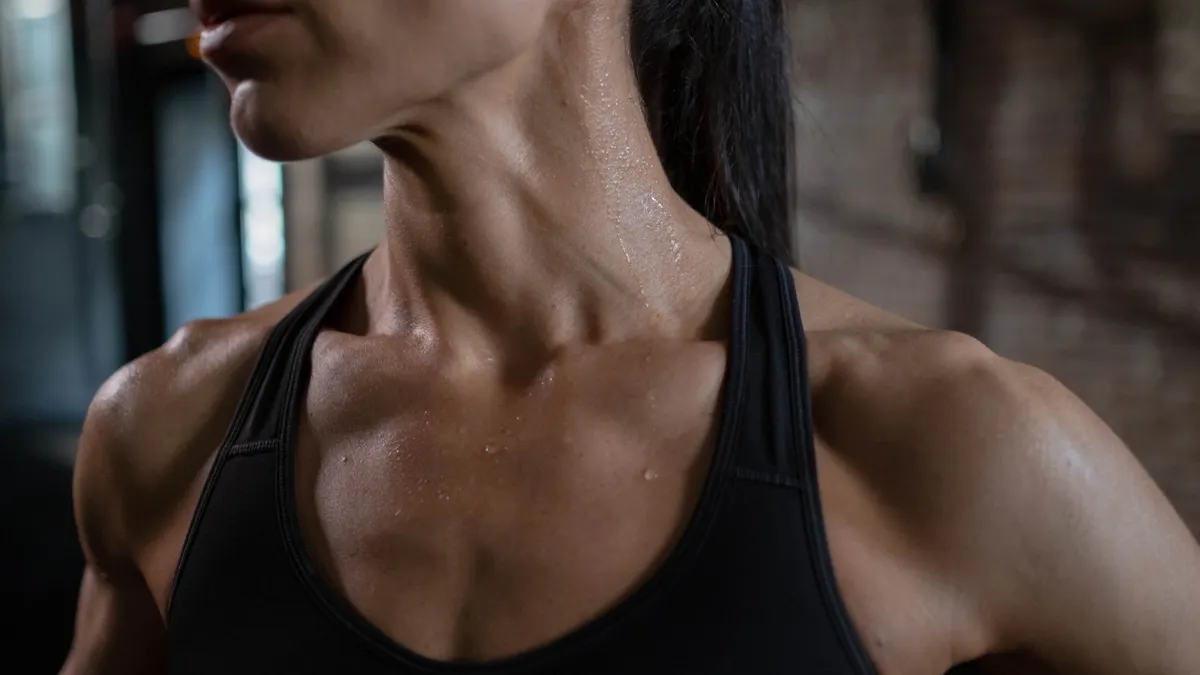
This applies to pregnant people who wake up damp, need to change pajamas, or find the sheets soaked at night. It also applies to people who notice hot flashes after going to bed, since hot flashes and night sweats often travel together in pregnancy.
I’m assuming the reader wants practical cooling advice, not a lecture, and already knows the basic difference between being warm and feeling unwell. I’m also assuming there is no known emergency right now. If sweating comes with fever, chest pain, shortness of breath, confusion, fainting, severe headache, or painful contractions, the right move is to get medical advice promptly rather than trying to “sleep it off.”
This page is about ordinary night sweats during pregnancy, not about the best bedding setup in general or the ideal room temperature for every sleeper. Those are separate questions. The focus here is the symptom itself: why it happens, how to cool down safely, and how to spot when it stops looking routine.
The evidence base for this topic is broad but not especially trial-heavy. PubMed searches on pregnancy and sleep turn up many human studies, including reviews and observational research, which is why practical recommendations here come from physiology, obstetric guidance, and sleep medicine rather than from large intervention trials. That matters because the advice has to be usable even when the research is mixed.
Why do i wake up sweating when pregnant?
You usually wake up sweating when pregnant because pregnancy changes heat production, heat loss, and sleep itself. Hormonal shifts can make the body’s temperature regulation feel less stable, and many people notice this as night sweats or hot flashes rather than a constant daytime problem.
Progesterone, for example, is part of the reason body temperature tends to run a little higher in pregnancy. That doesn’t mean the body is “overheating” in the dangerous sense every time a shirt feels damp; it means the thermostat is easier to upset by a warm room, heavy bedding, a late meal, anxiety, or a vivid dream. The result can be a blanket that felt fine at 10 p.m. and feels stifling at 2 a.m.
Sleep changes matter too. Pregnancy can fragment sleep, increase awakenings, and make a person notice normal temperature swings more sharply. If sleep is already lighter, even mild sweating can feel dramatic because it wakes the person up and leaves them sticky, chilled, or both.
Another useful distinction: night sweats are not the same as fever. Fever means the body’s temperature is raised above normal; sweating is the skin’s response and does not rule fever in or out. A simple thermometer is useful here because it gives a number instead of a guess. If sweating is paired with a measured fever, the pattern deserves medical review rather than home cooling alone.
There is also a practical issue with hydration. If someone is sweating enough to wake up repeatedly and is not drinking enough through the day, they may feel worse at night and more fatigued the next day. That doesn’t mean “drink as much as possible”; it means keep fluid intake steady enough that the mouth is not dry and urine is not consistently dark. If fluids are hard to keep down, or the person feels lightheaded, that is a separate reason to speak with a clinician.
How can I cool down safely at night while pregnant?

You can usually cool down safely by reducing heat trapped against the skin, keeping the room from getting stuffy, and using light layers that can be adjusted in seconds.
- Start with a thermometer in the bedroom. Place a room thermometer on the bedside table, not near a window or vent, and check the reading before bed and after a night awakening. Verify that the room feels reasonably consistent; a swing of several degrees can explain why sweats start after midnight. If the room feels cool but the thermometer reads warm, the problem is likely trapped heat, not perception alone.
- Use a fan for air movement, not blast chilling. Set a fan to move air across the room or toward the wall so the air does not hit the face all night. Verify that you wake up less clammy and do not develop chills. If the fan leaves you shivering, the setting is too aggressive.
- Choose moisture-wicking sleepwear. Wear breathable pajamas that pull moisture away from the skin rather than cotton that stays wet once soaked. Verify that the fabric dries quickly after a brief sweat episode. If the top clings and stays damp for long stretches, it is working against you.
- Switch to lighter bedding in layers. Use one light top layer and one blanket that can be folded back easily, instead of one heavy cover. Verify that you can remove a layer without fully waking up. If every adjustment requires getting out of bed, the setup is too bulky.
- Keep water within reach and sip earlier in the evening. Put a glass or bottle by the bed and drink steadily through the day so you are not playing catch-up at midnight. Verify that thirst is not the main reason you wake. If you are repeatedly waking because you feel parched, review hydration with a clinician.
- Use cooling sheets if they help, but treat them as comfort items, not a cure. Some sheets feel cooler because they wick moisture or hold less heat, which can make a difference during a sweaty stretch. Verify that the fabric does not irritate your skin and that it still feels comfortable after several nights. If the material makes you colder in a way that disrupts sleep, it is not the right choice, so ask a clinician or sleep professional if you are unsure.
- Take care with showers and bath temperature. A lukewarm shower before bed can make a sweaty night easier to manage, while very hot water can leave you feeling more overheated. Verify that your skin feels neutral afterward, not flushed. If you feel faint, lightheaded, or more overheated after bathing, stop and cool down gradually.
- Limit obvious heat boosters close to bedtime. Spicy food, a heavy late meal, and a too-warm room can all add heat load. Verify whether a pattern appears on nights after those triggers. If sweats happen even on calm, cool nights with no clear trigger, the symptom deserves a broader look.
The point is not to make the room icy. It is to reduce the small, cumulative heat traps that turn normal pregnancy warmth into a soaked pillowcase. A fan, cooling sheets, and moisture-wicking sleepwear are often enough to improve comfort without risking unsafe cooling practices. The trade-off is that “more cooling” is not always better, because overcooling can lead to shivering, repeated wake-ups, and poor sleep.
For background on pregnancy sleep issues more broadly, the hub on pregnancy sleep disorders and symptom-specific relief can sit above this page as the next step.
What bedding choices help, and what choices make sweating worse?
Breathable, light, and easy-to-adjust bedding usually helps; heavy, heat-holding, and hard-to-peel-back bedding usually makes night sweats worse.
The biggest mistake is treating bedding like winter insulation all year, so a heavy duvet or multiple thick blankets can trap heat even if the room itself is not especially warm. Once the body starts sweating, that trapped moisture stays near the skin and makes the sleeper feel hotter and stickier.
Cooling sheets can help when they reduce heat retention and allow moisture to move away from the body. The benefit is practical rather than dramatic: the pillowcase and top sheet feel less clammy, and the bed does not become a steam trap. If the sheets are scratchy, noisy, or slippery, though, they may solve one problem and create another by disrupting sleep.
A lightweight layer system works better than one “perfect” blanket. One thin blanket and one removable top layer let the sleeper respond to changing temperature without fully waking. That matters because night sweats often come in waves rather than staying constant.
The same idea applies to pajamas. Moisture-wicking sleepwear is not about fashion; it is about avoiding the wet-cold cycle that starts when fabric stays damp against the skin. A soaked shirt can make a person feel chilled later in the night, which is why some sleepers alternate between hot and cold within the same hour.
Pillows and mattress toppers matter too, but this page is not the place to rank products. The practical rule is simple: if a layer holds heat, holds moisture, or is hard to adjust at 2 a.m., it is probably not helping pregnancy night sweats. If a setup feels better for one night but worse by the third, it may be masking the problem rather than solving it.
When are night sweats in pregnancy not normal?
Night sweats are not normal when they come with signs that suggest fever, infection, dehydration, or another condition that needs medical attention.
Measured fever on a thermometer: This suggests the sweating may be part of an illness, not routine pregnancy heat — speak with a qualified clinician promptly.
Shortness of breath, chest pain, or a racing heart that does not settle: This can point to a more urgent problem than bedding or hormones — seek urgent medical advice.
Painful urination, pelvic pain, cough, or flu-like symptoms: These can go with infection — contact a clinician because home cooling will not address the cause.
Soaking sweats with dizziness, faintness, or inability to keep fluids down: This raises concern for dehydration or another problem — get assessed, especially if symptoms persist for more than a night.
Severe headache, vision changes, or swelling that is sudden or unusual: These are not explained by ordinary night sweats — call for medical guidance promptly.
Bleeding, leaking fluid, or regular contractions: These are pregnancy symptoms that need obstetric advice — do not assume sweating is the main issue.
Weight loss, tremor, or sweating that is persistent and not tied to sleep: This can suggest something beyond routine pregnancy changes — discuss it with a clinician.
The key judgment is whether the sweating is isolated and pattern-based or part of a broader illness picture. Ordinary pregnancy night sweats are annoying; they are not usually accompanied by high fever, worsening pain, or signs that the body is under strain.
Common mistakes that make pregnancy night sweats worse
The most common mistakes are simple, and they usually come from trying to “push through” the discomfort rather than adjust the setup.
One mistake is piling on blankets because the person feels chilly after waking damp. That often traps more heat and leads to another sweat cycle within 30 to 60 minutes. The better move is a lighter layer that can be folded back quickly.
Another mistake is turning the room into a freezer. Overcooling can cause shivering and repeated awakenings, which makes sleep worse even if sweating decreases. A fan and breathable bedding usually give a steadier result than a dramatic temperature drop.
A third mistake is ignoring hydration during the day and then drinking a lot right before bed. That can leave a person thirsty at night or, on the other side, interrupt sleep with bathroom trips. Steady daytime hydration tends to work better than late-night catch-up.
A fourth mistake is assuming every sweat episode is just “pregnancy.” If the thermometer shows fever, or the person has cough, pain, pelvic symptoms, or feels unwell, the right alternative is medical review. Sweating is a symptom, not a diagnosis.
A fifth mistake is choosing sleepwear that feels soft but traps moisture. The shirt may seem fine for the first hour, then become wet and cold. Moisture-wicking sleepwear is a more useful standard than softness alone.
A final mistake is treating one bad night as proof that nothing works, so night sweats often fluctuate with hormones, room temperature, stress, and how far along the pregnancy is. A better test is a few nights of consistent setup, with a thermometer nearby and small adjustments one at a time.
When the usual cooling advice needs adjusting
Standard cooling advice needs adjusting when the person is more sensitive to temperature changes, has another medical issue, or notices a clear pattern tied to something specific.
If the person tends to feel chilled easily, the goal is not maximum cooling. Use lighter bedding, a fan set low, and layers that can be removed before the room feels cold. That keeps the body from bouncing between hot and cold.
If nausea or reflux makes bedtime uncomfortable, very heavy meals and very hot showers may worsen both sweating and sleep disruption. In that case, earlier evening meals and a gentler bedtime routine may help more than more bedding changes.
If the person already has a thermometer reading that runs high, or the sweats come with feeling sick, the usual home-cooling approach is not enough. A measured fever changes the situation from comfort management to symptom evaluation.
If the sleep surface itself is making the problem worse, the usual advice about “cool the room” is incomplete. A mattress or topper that holds heat can make the bed warmer than the room, so the person may need to focus on the sleep surface before changing the thermostat.
If the sweating started suddenly after a new medication, supplement, or illness, that pattern deserves a professional review. The timing matters more than the annoyance level. A symptom that appears in one week after a new change is different from the kind that slowly builds across a trimester.
What a reasonable result looks like
A reasonable result is not “never sweating again.” It is waking up less often, changing fewer clothes, and feeling able to go back to sleep without starting from scratch each time. If the person still sweats on some nights but the episodes are shorter, less intense, and less disruptive, that is usually an improvement worth keeping.
The most useful measure is practical: does the setup reduce wake-ups and keep the skin from staying wet for long? If yes, the changes are doing their job. If no, the next step is to adjust one variable at a time, not to overhaul everything at once.
Drafted with AI; not yet reviewed by a person.
